Feature Friday: It Took 'Welcome to the Black Parade' Twenty Years and a Fictional Dictatorship to Reach No. 1
'Welcome to the Black Parade' peaked at No. 9 on the Hot 100 in January 2007 and The Black Parade debuted at No. 2. Twenty years, a world-building anniversary tour, a fictional police state called Draag, and a Billie Eilish/Phoebe Bridgers-voiced animated short later, the album just became My Chemical Romance's first-ever Billboard 200 No. 1 -- the longest any album has taken to reach the top.
 By Song Reviews · November 13, 2026
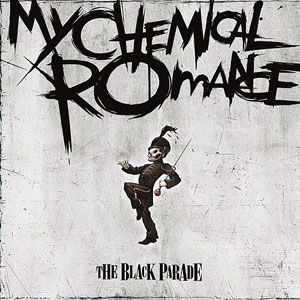
My Chemical Romance’s “Welcome to the Black Parade” never actually topped a chart. It peaked at No. 9 on the Hot 100 in January 2007, a strong showing for an emo band’s horn-driven, Queen-indebted lead single but nowhere close to a No. 1. The Black Parade, the concept album it introduces, debuted at No. 2 on the Billboard 200 that October and stayed there. Twenty years is a long time for a near-miss to sit unresolved. This month, it finally did: the album’s 20th-anniversary reissue took the top spot on the Billboard 200 outright – the longest any album in the chart’s history has taken to reach No. 1. The song that never quite got there just dragged its own album across the line two decades late, and the reason why is a genuinely strange case study in how a catalog campaign gets built in 2026.
The anniversary push didn’t lean on nostalgia alone. My Chemical Romance built an entire extended tour around performing The Black Parade in full, then expanded the album’s own fictional conceit – a parade led by a figure called The Patient, backed by a marching band of the dead – into a fully realized fictional state named Draag, complete with its own invented alphabet. That worldbuilding wasn’t confined to the stage: Hot Topic’s Ovation Hollywood store spent October as a themed pop-up, selling exclusive vinyl variants and letting fans photograph themselves on what the campaign called “the throne of Draag’s dictator.” A song and an album that were always theatrical got treated, twenty years later, as source material for an actual expanded universe rather than a reissue with bonus tracks.
The campaign’s centerpiece arrived just after the reissue itself: a seven-minute stop-motion short film called Prelude to the End, made with animator Lauren Tsai – who, as a kid, made her own unofficial fan videos set to Black Parade songs, and got to realize what she’s described as a lifelong ambition by finally making one with the band’s blessing. Tsai voices the film’s lead character, Astrid, a student at a strange boarding school who’s thrown into a world of forgotten ideas after her sketchbook gets confiscated and discarded. Billie Eilish voices Astrid’s close friend; Phoebe Bridgers voices her sister. The short is scored by “The End.,” the album’s actual opening track – not “Welcome to the Black Parade” itself, a choice that treats the whole record as a continuous piece rather than one single plus filler.
What makes this worth the Friday treatment isn’t the nostalgia or even the celebrity cameos – it’s the specific mechanism by which a song that peaked at No. 9 pulled its album to No. 1 two decades after the fact. “Welcome to the Black Parade” was never a chart underperformer in any meaningful sense; it’s the most enduring song in My Chemical Romance’s catalog by a wide margin, the one still played at concerts, funerals, and reunions. What it lacked wasn’t quality or legacy, just the kind of sustained campaign infrastructure a 2006 emo single was never going to receive at release. Twenty years later, with a tour built around full-album performances, a fictional nation-state extending the record’s own mythology, a Hot Topic pop-up, and a short film with two of the decade’s most recognizable voices in indie music attached, the same nine-year-old No. 9 single finally had the apparatus behind it to finish the job its own chart performance never did. The song didn’t get better. The machine finally caught up to it.
Hero image: “The Black Parade” album cover art, Reprise Records, 2006. Used under fair use for editorial commentary.