Sacred Sunday: Two Covers of One Hymn, and Two New Songs About Who Gets Heard
Launching Sacred Sunday's standing format: two different artists covering one well-known hymn, and two new religious songs about the gap between the room a song is written in and the room it ends up filling.
 By Song Reviews · August 23, 2026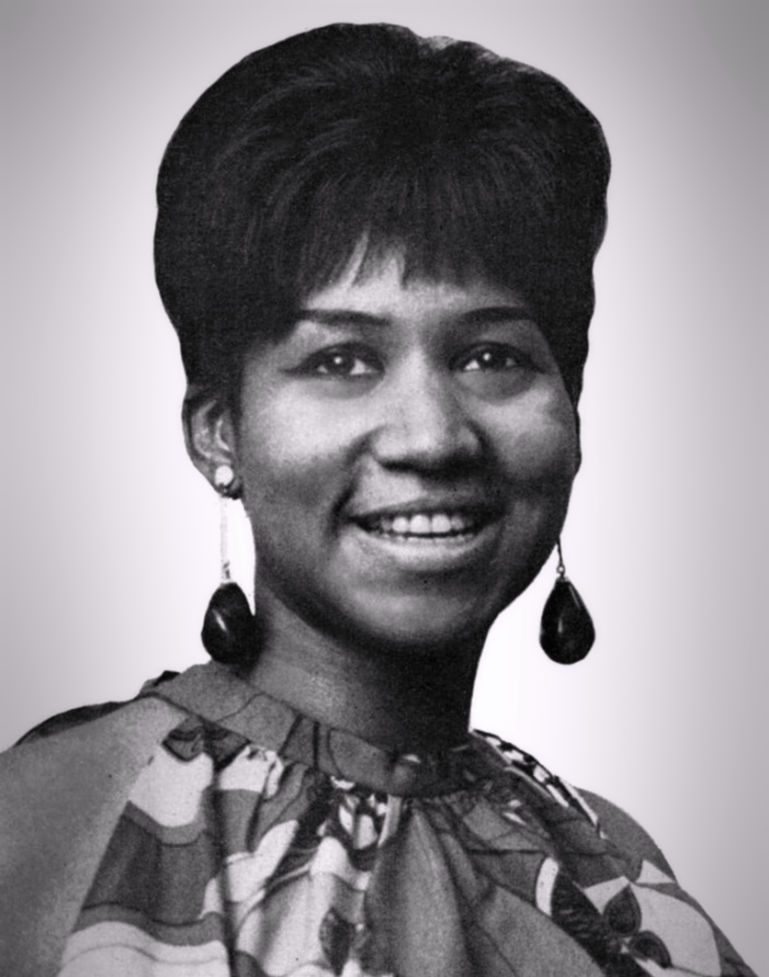
What Sacred Sunday Is
Every Sunday, Song Reviews covers sacred music — Christian, gospel, worship, hymns, sacred classical, spirituals, and other religious musical traditions. It is not a tribute day, and it is not automatically a kind one. These songs get graded like any other review on this site, because taking a tradition seriously means being willing to say when a record doesn’t earn what it’s asking of the listener, not just when it does.
What We’re Covering Today
Four reviews, in two groups: one hymn covered two ways, and two new religious songs that aren’t hymns at all.
The Hymn
Two artists, one song — “Amazing Grace,” John Newton’s 250-year-old hymn, recorded two completely different ways:
- Judy Collins (8.7/10) — the 1970 a cappella recording that changed nothing about the hymn and became a transatlantic hit anyway.
- Aretha Franklin (9.2/10) — the opposite move: a 10:45 live gospel deconstruction recorded in a Los Angeles church in 1972, still the best-selling live gospel album ever made.
New Religious Songs
Two songs that aren’t hymns and aren’t covers — new religious music, and two different relationships between the person who wrote each one and the size of the room it ended up filling:
- Kirk Franklin & God’s Property (7.8/10) — “Stomp” (1997), a sample-built gospel crossover that reached No. 1 on Billboard’s R&B airplay chart and cost Franklin real standing with parts of his own community in the process.
- Sinach (7.9/10) — “Way Maker” (2015), the most-sung worship song on Earth by 2020, written by a Nigerian artist whose own authorship took years to catch up to the American covers that made it famous.
What Connects Them
Take the hymn group first, because it’s the clearest version of the day’s actual argument: the same fixed text, “Amazing Grace,” survives two completely incompatible treatments and comes out the other side as two different kinds of good. Judy Collins proved sincerity and a good room could carry it without a single change. Aretha Franklin proved the opposite — that stretching it past ten minutes and handing it to a full congregation could turn four familiar verses into something closer to a testimony than a recording. Restraint and scale, pulling in opposite directions, and neither one wrong.
The second group makes a related but sharper point, because neither of these two songs is public domain, and neither gets to hide behind “it’s a 250-year-old hymn, of course it survives reinterpretation.” Each one is a specific person’s original work, and each ran into a different version of the same problem: who gets to be in the room when a religious song finds its audience. Kirk Franklin built “Stomp” specifically to get gospel into rooms it had never been welcome in — MTV, mainstream R&B radio — and it worked commercially in ways gospel rarely had, at the direct cost of his standing with the community the song came from. Sinach’s “Way Maker” is the same problem from the other side: the song reached practically every room there is, translated into 50 languages and sung by more American worship artists than almost any other contemporary song of the last decade, and for years the artists making it famous didn’t reliably say whose song it was.
Two covers of a song built to survive reinvention, and two originals built by people who each ran into a different side of the same problem — getting let into a room, and getting credited once you’re already filling every room there is — that’s the actual shape of “sacred” music once you stop treating it as one undifferentiated category: some of it is engineered to fill a stadium, some of it can’t help but go viral, and neither route settles who the song actually belongs to.
Hero image: Photo: Atlantic Records (1967 trade advertisement), public domain (CC0).