Sacred Sunday: One Hymn's 250-Year Trip, and Three New Songs That Found an Audience Nobody Programmed
'How Great Thou Art' covered three ways across sixty years, plus three new religious songs that each broke through a different way -- a viral TV moment, a TikTok trend nobody planned, and plain vocal craft.
 By Song Reviews · August 30, 2026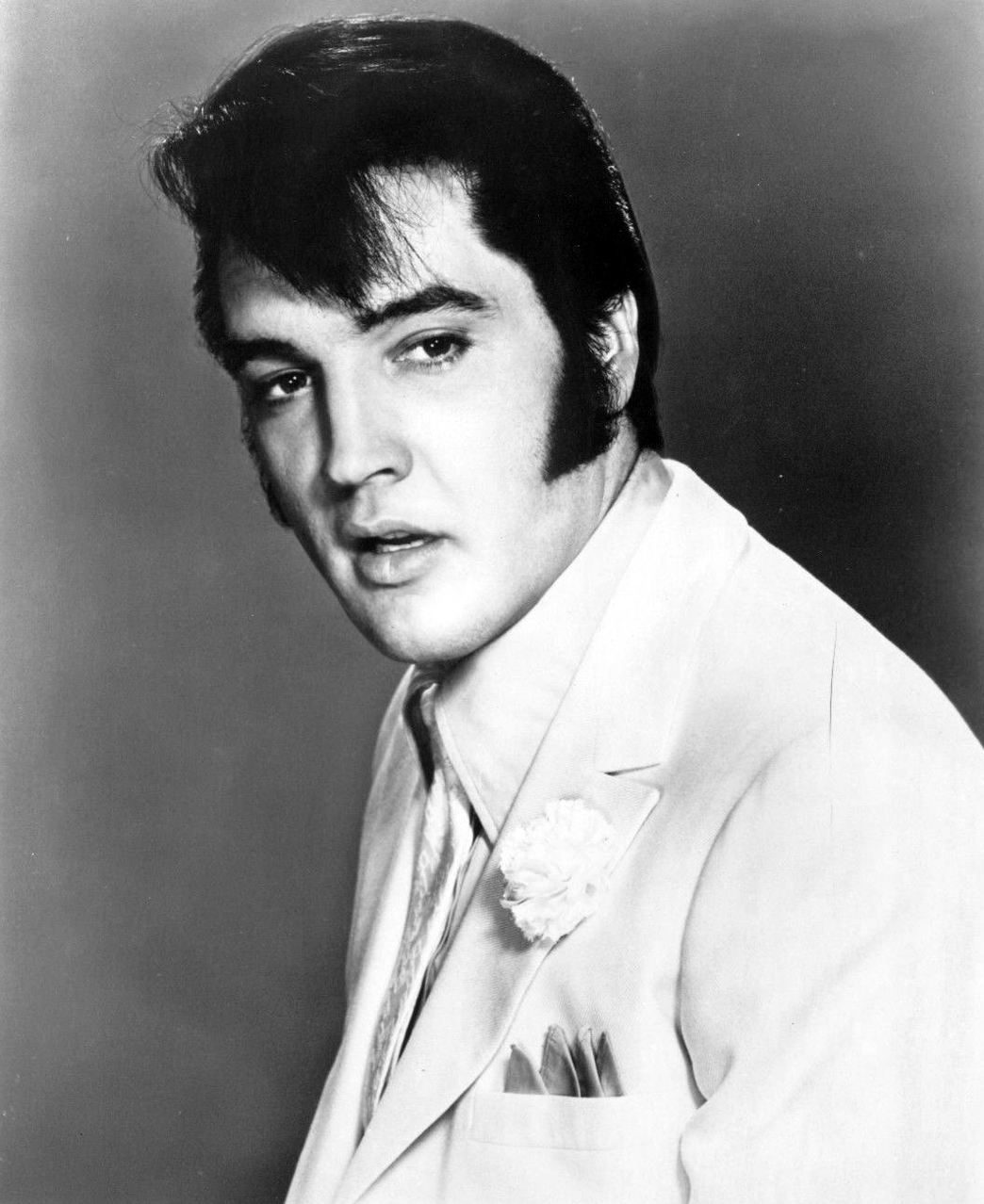
What Sacred Sunday Is
Every Sunday, Song Reviews covers sacred music – Christian, gospel, worship, hymns, sacred classical, spirituals, and other religious musical traditions. It is not a tribute day, and it is not automatically a kind one. These songs get graded like any other review on this site, because taking a tradition seriously means being willing to say when a record doesn’t earn what it’s asking of the listener, not just when it does.
What We’re Covering Today
Six reviews, in two groups: one hymn covered three ways, and three new religious songs that aren’t hymns at all.
The Hymn
Three artists, one song – “How Great Thou Art,” a hymn that passed through Swedish, German, and Russian before Stuart Hine’s 1949 English translation, then spent the better part of a century picking up new audiences one performer at a time:
- George Beverly Shea (8.5/10) – the Billy Graham crusade singer who performed it roughly a hundred times across one sixteen-week 1957 campaign until an obscure translated hymn became a standard.
- Elvis Presley (9.0/10) – the 1967 studio recording that won him the first of his three competitive Grammys, all for gospel material.
- Carrie Underwood & Vince Gill (8.8/10) – a 2011 televised duet that went viral within days, later given a proper release on Underwood’s Greatest Hits: Decade #1.
New Religious Songs
Three songs that aren’t hymns and aren’t covers – new religious music, each one reaching an audience through a completely different route:
- Brandon Lake & Jelly Roll (8.3/10) – “Hard Fought Hallelujah” (2024/2025), a worship ballad that became a Grammy winner once Jelly Roll’s own lived history gave the lyric somewhere real to land.
- Forrest Frank (7.6/10) – “Your Way’s Better” (2024), a simple hook that spent seven months as an album track before a TikTok trend nobody planned turned it into a Hot 100 single.
- CeCe Winans (8.6/10) – “Believe for It” (2021), a Grammy-winning showcase for four decades of vocal restraint and control.
What Connects Them
Take the hymn group first, because it’s the clearest version of this week’s actual argument: the same fixed English text survives three completely different paths to an audience, and none of those paths is “just release the song and see.” Shea built his audience the slow way, night after night, across a sixteen-week crusade, until repetition itself did the work. Presley’s version won on vocal craft, twice, eight years apart, at the only awards body that reliably rewards this kind of material. Underwood and Gill’s didn’t arrive as a planned single at all – it was a live TV moment that the internet decided, within about 48 hours, was worth keeping.
That same pattern – a song reaching people through a route nobody fully engineered – runs straight through this week’s three new songs, and it’s sharper there because none of them can lean on 250 years of built-in trust the way a public-domain hymn can. “Hard Fought Hallelujah” worked because of a specific casting choice: pairing a polished worship songwriter with an artist whose own biography made the lyric’s central image, praise that costs something, impossible to read as generic. “Your Way’s Better” worked because a song built simply enough to be endlessly repeatable got picked up by a TikTok trend seven months after release, with no label push responsible for the timing – Forrest Frank’s own term for it, “the invisible market,” is as good a description of how contemporary Christian music actually spreads now as any industry report could offer. And “Believe for It” needed no viral moment or specific casting decision at all – just a singer with enough control over her own instrument to make a plain statement of faith sound earned rather than performed.
Put those two groups side by side and the actual thesis comes into focus: none of this week’s six tracks became meaningful because of marketing. A hymn keeps finding new performers because each one solves the same problem – how do you make ancient words feel urgent again – a different way, and three new songs found their audiences through a crusade’s repetition, a television moment nobody scripted, and a TikTok trend nobody bought. Sacred music, this week’s evidence suggests, still spreads mostly the old-fashioned way: person to person, because it actually worked on the first person who heard it.
Hero image: Elvis Presley, MGM publicity photo for “The Trouble with Girls,” 1968 (public domain).