Sacred Sunday: A Hymn Written for a Dying Woman, Three Ways, Plus Three Songs About Who Gets to Carry Grief
'His Eye Is on the Sparrow' covered across nearly sixty years by Ethel Waters, Lauryn Hill and Tanya Blount, and Whitney Houston, plus three new songs that each hand a grief or a testimony to someone you wouldn't expect to be carrying it.
 By Song Reviews · September 13, 2026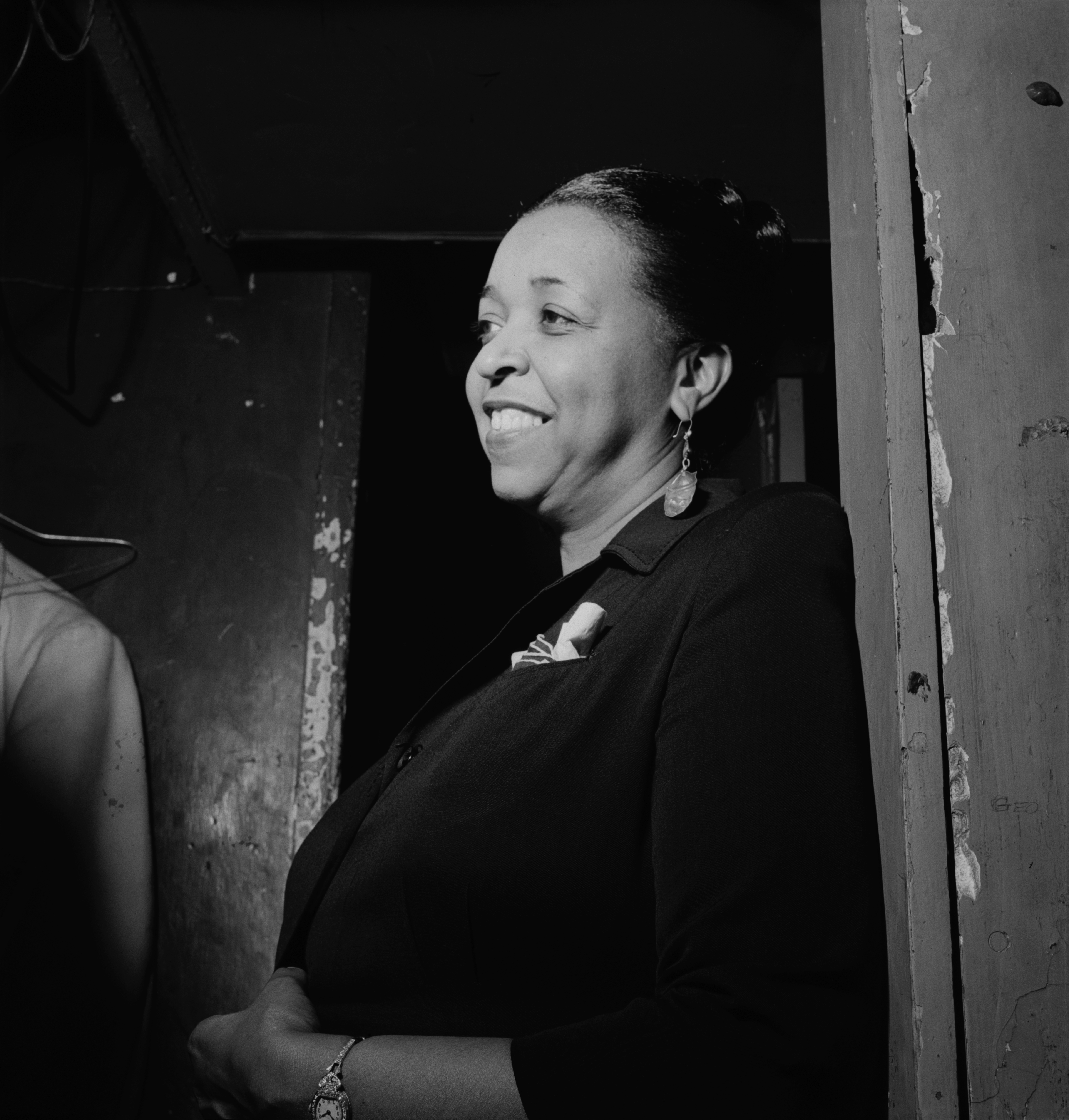
What Sacred Sunday Is
Every Sunday, Song Reviews takes sacred music seriously enough to actually criticize it – what the music does, where it came from, and whether it earns the reaction it asks for, the same way any other day’s coverage works. It isn’t a tribute day. Every entry carries a real score.
What We’re Covering Today
The Hymn
Civilla D. Martin wrote “His Eye Is on the Sparrow” in 1905 after visiting a bedridden woman in Elmira, New York; Charles H. Gabriel set it to music the same year. Three recordings, spanning fifty-two years:
- Ethel Waters – 8.4/10. Made it her signature song and the title of her own 1951 autobiography before carrying it through two decades of Billy Graham crusades.
- Lauryn Hill & Tanya Blount – 8.6/10. A pre-fame duet from 1993’s Sister Act 2 that’s become the hymn’s definitive modern recording.
- Whitney Houston – 8.0/10. Recorded in 2011, released four months after her death in 2012.
New Religious Songs
- Phil Wickham – “What An Awesome God” – 7.4/10. Set a Mediabase record built on new verses grafted to Rich Mullins’ 1988 chorus.
- Lecrae feat. Killer Mike & T.I. – “Headphones” – 8.1/10. A grief song that hands real verses to two mainstream rap veterans.
- Jonathan McReynolds & Jamal Roberts – “Still (Live)” – 7.9/10. A reality-TV-to-gospel crossover McReynolds says started with an American Idol run.
What Connects Them
Six songs, one shared move: every one of them hands a piece of sacred testimony to someone who isn’t the obvious person to be holding it. Civilla Martin’s hymn started as a message for a dying woman, not from her – Martin wrote it after watching Mrs. Doolittle face a terminal illness with a calm Martin couldn’t fully explain, so the song has carried someone else’s endurance from the very first verse. Ethel Waters then carried it into crusades built for a different kind of testimony than a stage performer’s; Lauryn Hill and Tanya Blount carried it into a studio comedy that had no obvious use for a devotional peak; Whitney Houston’s version was released into a grief that hadn’t happened yet when she recorded it, and became elegy only after the fact, without her consent or knowledge.
The three new songs run the same pattern in reverse. Phil Wickham hands a 37-year-old chorus to a new generation that mostly doesn’t know it’s borrowed. Lecrae hands two verses of a grief song to Killer Mike and T.I., artists whose entire careers exist outside CCM’s usual audience, and trusts them not to soften the record to fit in. Jonathan McReynolds hands half a duet to a reality-show winner most gospel listeners had never heard sing before American Idol put him on television. None of these six songs are actually about the person most identified with singing them. Every one of them is about whether sacred material survives being carried by somebody unexpected – and in all six cases, tonight’s evidence, it does.
Hero image: Ethel Waters portrait, William P. Gottlieb Collection, Library of Congress. Public domain.