Sacred Sunday: One Hymn Written for a Dying Woman, Sung Three Different Ways to Be Understood
'Great Is Thy Faithfulness' made famous, showcased, and made congregational -- by George Beverly Shea, Carrie Underwood and CeCe Winans, and Shane & Shane -- plus three new Dove-nominated songs about admitting what you're actually afraid of.
 By Song Reviews · September 20, 2026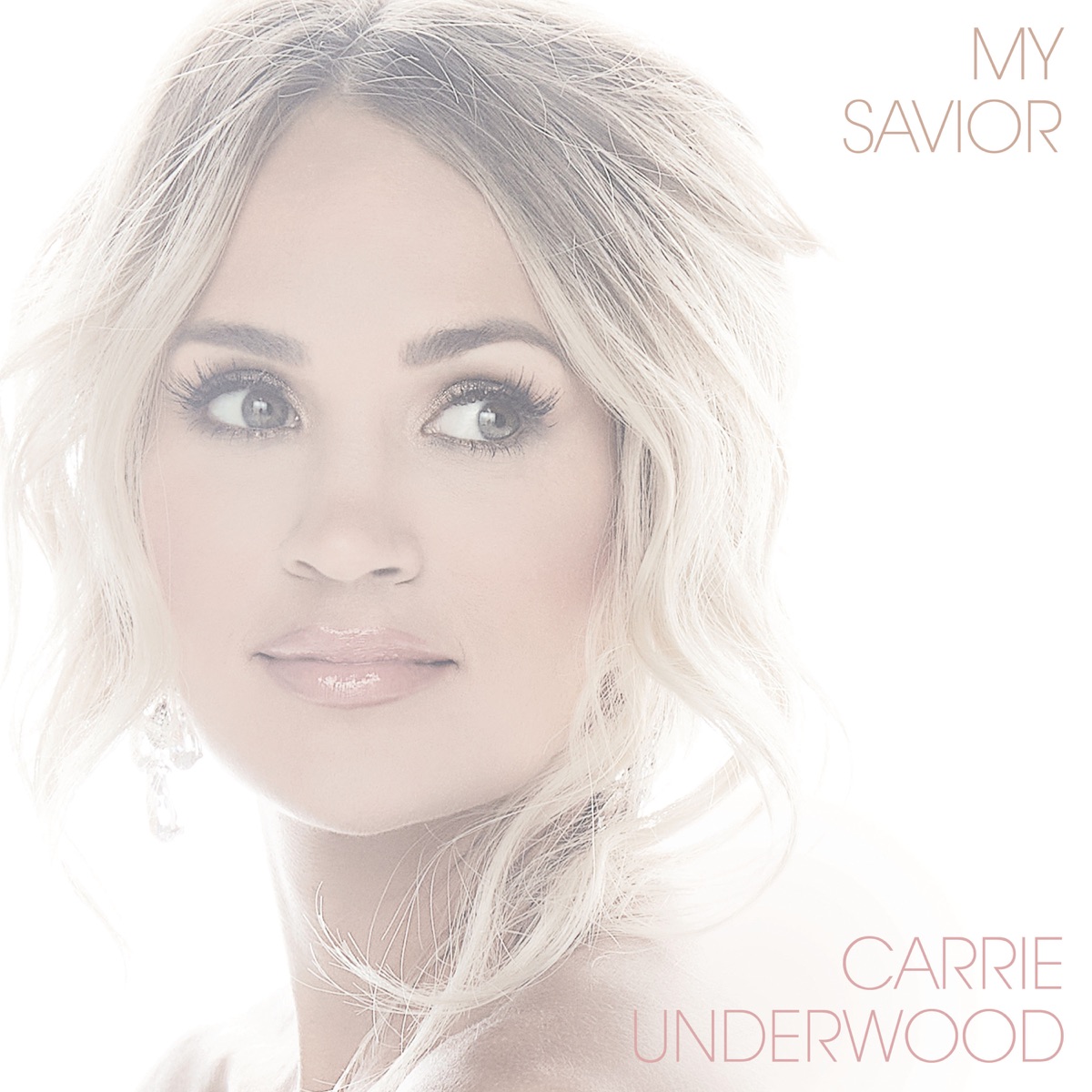
What Sacred Sunday Is
Every Sunday, Song Reviews takes sacred music seriously enough to actually criticize it – what the music does, where it came from, and whether it earns the reaction it asks for, the same way any other day’s coverage works. It isn’t a tribute day. Every entry carries a real score.
What We’re Covering Today
The Hymn
Thomas Chisholm wrote the text of “Great Is Thy Faithfulness” in 1923, grounded in Lamentations 3:22-23; William Runyan set it to music the same year. Three recordings, spanning seven decades:
- George Beverly Shea – 8.2/10. Introduced it to Billy Graham crusade audiences through the 1950s, turning a minor hymnal entry into a standard through sheer repetition.
- Carrie Underwood feat. CeCe Winans – 8.5/10. From 2021’s My Savior, which won Underwood her eighth Grammy – Best Roots Gospel Album.
- Shane & Shane – 7.6/10. A 2014 congregational arrangement built for worship teams to actually reproduce on a Sunday morning.
New Religious Songs
- Hope Darst & Josh Baldwin – “Mighty Name of Jesus” – 7.5/10. A 2026 GMA Dove Award double nominee (Worship Recorded Song, Song of the Year).
- Josiah Queen – “Dusty Bibles” – 8.0/10. Crossed onto the Hot 100 on the strength of one plain, self-implicating image.
- Jon Reddick – “No Fear” – 7.7/10. Co-written with Matthew West; became Reddick’s first Christian Airplay No. 1.
What Connects Them
Six songs this week, and the connecting thread runs straight through the hymn’s own origin story. Thomas Chisholm didn’t write “Great Is Thy Faithfulness” as an abstract statement of theology – by most accounts he wrote it out of a season of his own financial hardship and physical illness, naming a fear directly rather than writing around it. That’s the same move all three new songs make, in more contemporary language: Josiah Queen names his own spiritual complacency instead of preaching about someone else’s, using an image – a dusty, unopened Bible – specific and unflattering enough that a listener outside Christian radio’s usual audience still recognized it. Jon Reddick and Matthew West build an entire song around naming fear itself as the subject, verse after verse, trusting plainness over spectacle to make the case. Hope Darst and Josh Baldwin take the more traditional worship-anthem route, but even there the song’s job is repetition simple enough that an admission of need – calling on a name because you require rescuing – can be picked up by a whole room in one pass.
The three hymn recordings run the same idea in reverse, showing what happens once a specific, personal admission gets picked up by other people. George Beverly Shea didn’t write a note of it, but his decades of repetition in front of crusade audiences numbering in the hundreds of millions turned Chisholm’s private hardship into something closer to shared vocabulary. Carrie Underwood and CeCe Winans scaled that vocabulary back up into a showcase, proving it could hold its own against the deepest catalog in gospel music. Shane & Shane scaled it back down again, stripping the arrangement until an untrained voice in a pew could sing it back without a lyric screen. Three different audiences, three different levels of production, and the same underlying test each time: does an admission this specific and this old still mean something once it’s been sung by somebody else, in a different decade, for a different reason? Six times this week, across a century of recordings, the answer holds.
Hero image: “My Savior” single cover art, Capitol Christian Music Group. Used under fair use for editorial commentary.