Sacred Sunday: A Hymn Written in the Worst Week of a Man's Life, Three Ways, Plus Three Songs About What Comes After the Asking
'Precious Lord, Take My Hand' as recorded by Mahalia Jackson, Al Green, and Ledisi, plus three new songs -- from Mariah Carey and The Clark Sisters, Jamie MacDonald, and Anne Wilson with Cole Swindell -- about the vows and releases that follow a plea.
 By Song Reviews · September 27, 2026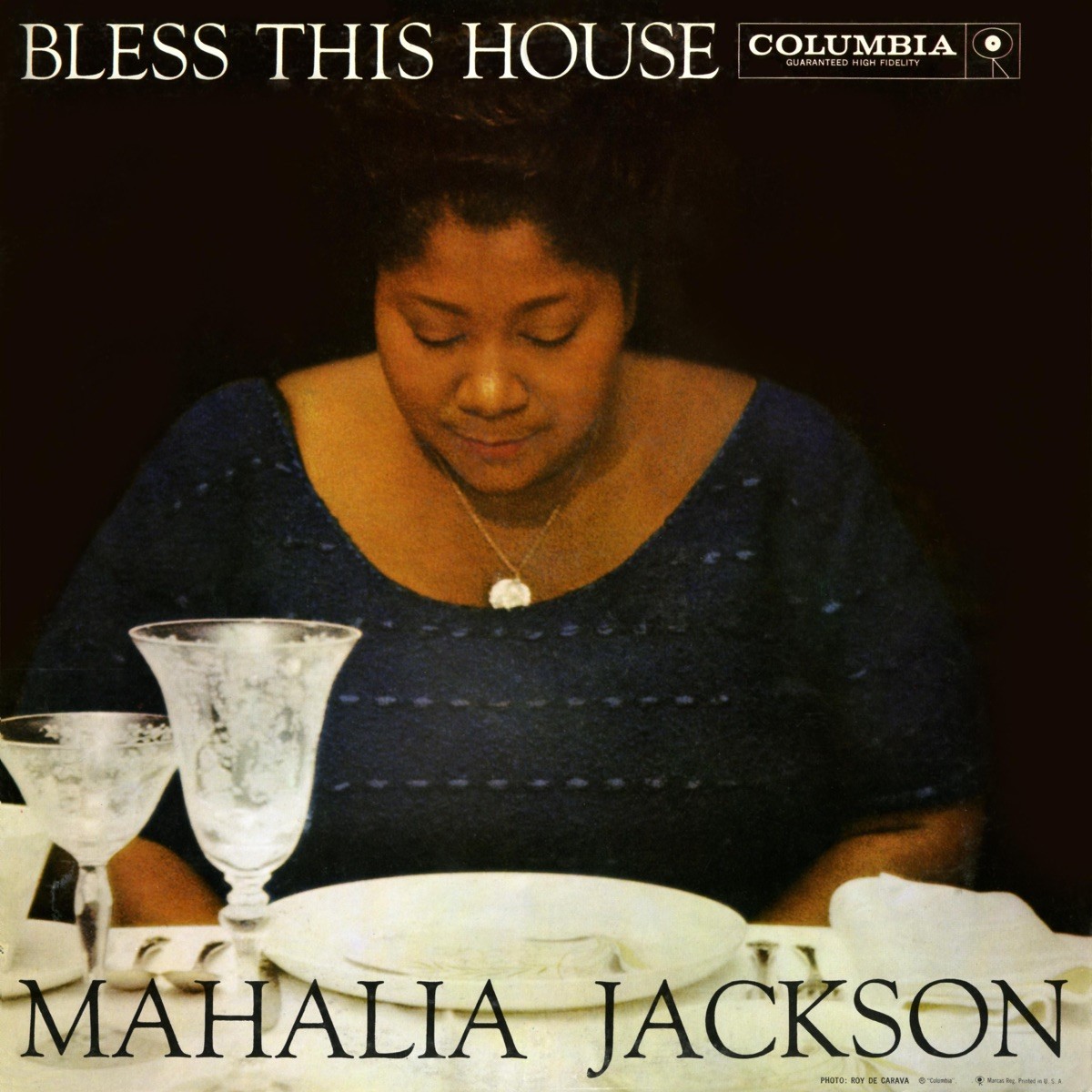
What Sacred Sunday Is
Every Sunday, Song Reviews takes sacred music seriously enough to actually criticize it – what the music does, where it came from, and whether it earns the reaction it asks for, the same way any other day’s coverage works. It isn’t a tribute day. Every entry carries a real score.
What We’re Covering Today
The Hymn
Thomas A. Dorsey wrote “Precious Lord, Take My Hand” in August 1932, after the death of his wife, Nettie, and their infant son, adapting George N. Allen’s 1844 tune “Maitland.” Dorsey’s own retelling is the source for most of the story, and published accounts differ on small details, including how long the baby lived. Three recordings, spanning fifty-eight years:
- Mahalia Jackson – 9.3/10. The 1956 Columbia recording, made with only a piano and an organ, and a 2012 Grammy Hall of Fame inductee.
- Al Green – 7.8/10. The title track of his 1982 gospel album, and winner of the 1983 Grammy for Best Soul Gospel Performance, Traditional.
- Ledisi – 7.6/10. Sung in character as Mahalia Jackson in Selma, and released on the film’s 2014 soundtrack.
New Religious Songs
- Mariah Carey feat. The Clark Sisters – “Jesus I Do” – 7.9/10. Reached No. 1 on Gospel Airplay in May 2026, the Clark Sisters’ fourth chart-topper.
- Jamie MacDonald – “Left It In The River” – 7.7/10. Twelve weeks at No. 1 on Christian radio and K-LOVE’s Song of the Year.
- Anne Wilson & Cole Swindell – “Still Do” – 7.4/10. A March 2026 duet built from a raw piano version Wilson posted online.
What Connects Them
The thread this week is the difference between asking and having been answered. “Precious Lord, Take My Hand” is a plea, and it is the only song of the six that is one. Its whole shape is a request: take my hand, lead me on. The three recordings of it trace how differently a plea can be heard. Mahalia Jackson’s is the plea at its own scale, one voice with two instruments behind it, and the lyric’s exhaustion is left to speak for itself. Al Green’s, by the account of the critics who reviewed his album, gives it a brighter arrangement, a hymn in which the hand is already being held out; Robert Christgau heard that as timekeeping and The New York Times heard it as audacious transformation, and the Recording Academy gave the title track a Grammy. Ledisi’s is the plea inside a story, sung to a man who has called for comfort in a moment of doubt. Three eras, three ways of imagining what a reply might sound like.
The three new songs start where the hymn ends up. “Jesus I Do” is a vow, the answer a person gives after the asking is done, and the Clark Sisters’ presence as co-writers gives it a lineage the title alone would not. “Left It In The River” is a release: the shame has been put down, at a specific place, and the song is about walking away without it. “Still Do” is a return, a prodigal’s song that assumes the door was open the whole time. None of them is built as a request. What they are testing is whether a statement of settled faith can carry as much weight as a plea, and that is where the week’s scores separate: the songs that lean on one concrete image or one credible collaboration – a river, a family of gospel singers – land higher than the one that leans on the duet’s warmth alone. Dorsey’s hymn has lasted more than ninety years because the asking is the honest part. The songs written in its shadow are worth hearing to the degree that they remember what had to be asked before anything could be answered.
Hero image: “Bless This House” album artwork, Columbia Records. Used under fair use for editorial commentary.