Sacred Sunday: A Hymn About Wandering, Three Ways, Plus Three Songs About the Distance Between the Singer and God
'Come Thou Fount of Every Blessing' as sung by the Tabernacle Choir, Sufjan Stevens, and Forrest Frank, plus three new songs -- from Ella Langley, CeCe Winans and Shirley Caesar, and Steven Malcolm with for KING + COUNTRY and KB -- about doubt, longing, and being told yes.
 By Song Reviews · October 4, 2026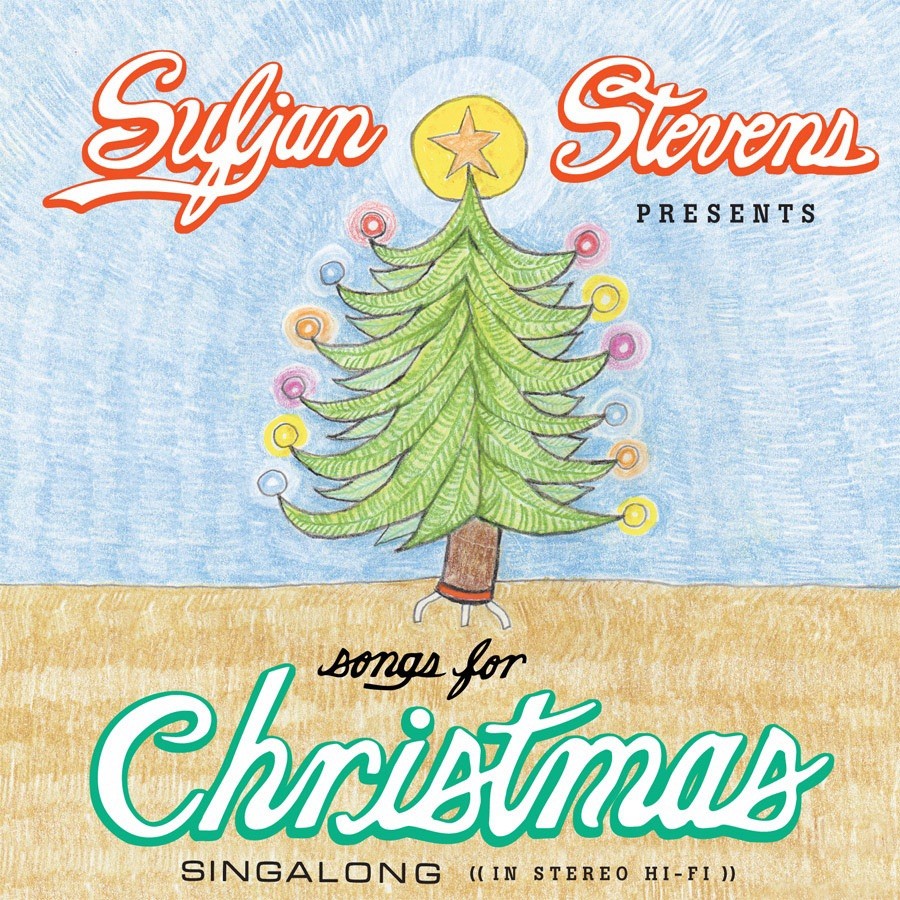
What Sacred Sunday Is
Every Sunday, Song Reviews takes sacred music seriously enough to actually criticize it – what the music does, where it came from, and whether it earns the reaction it asks for, the same way any other day’s coverage works. It isn’t a tribute day. Every entry carries a real score.
What We’re Covering Today
The Hymn
Robert Robinson wrote “Come, Thou Fount of Every Blessing” in the late 1750s, and it was published in 1758. A well-known story says he later wandered from his faith and was confronted by a stagecoach passenger singing his own hymn to him; the tale is usually traced to a book published in 1870, some eighty years after his death, and one church-history outlet calls it “widely-told but unverifiable.” Three recordings, from 2002 to 2023, in three very different arrangements:
- The Tabernacle Choir at Temple Square – 8.3/10. Mack Wilberg’s choral arrangement, from a 2009 album that reached No. 1 on Billboard’s Top Classical Crossover chart.
- Sufjan Stevens – 8.7/10. A banjo-led build recorded in 2002 and released in the 2006 Songs for Christmas box set.
- Forrest Frank – 7.1/10. “Come Thou Font,” from his 2023 lo-fi and hip-hop hymn album New Hymns.
New Religious Songs
- Ella Langley – “Speaking Terms” – 8.2/10. An album track from a No. 1 country record, nominated for a Dove Award.
- CeCe Winans feat. Shirley Caesar – “Come Jesus Come” – 8.6/10. The 2026 Grammy winner for Best Gospel Performance/Song, and Winans’ 18th Grammy.
- Steven Malcolm feat. for KING + COUNTRY & KB – “Yes” – 7.5/10. A one-word testimony about growing up feeling unworthy.
What Connects Them
The thread this week is Robinson’s most-quoted line – “Prone to wander, Lord, I feel it” – and the way each song measures the distance between a singer and God. The hymn recordings are three different answers to how that distance should sound. The Tabernacle Choir turns Robinson’s private confession into a public one, at a scale that gives up the “I” and gets a congregation’s “we.” Sufjan Stevens keeps the confession small and lets the voices join it, which is the version closest to the text’s own shape and the highest-scoring of the week’s six. Forrest Frank moves the hymn into a solitary, headphones-on setting, a good argument for the text’s privacy that risks sanding the edge off its admission.
The three new songs are all about the same gap from different sides. Ella Langley’s “Speaking Terms,” written by Joybeth Taylor and Helene Cronin and made hers, is the wandering itself – a song about staying on speaking terms with God when the relationship feels strained. “Come Jesus Come” is the longing at the far end of the hymn: it was written from Revelation 22 in the first weeks of the pandemic, and it makes the same request that closes Robinson’s last verse, “Come, my Lord, no longer tarry.” Steven Malcolm’s “Yes” is the reply to a lifetime of feeling unworthy – the hymn’s “O to grace how great a debtor” put in the mouth of a man who was told the opposite for years. The scores track how plainly each song makes its argument: the two songs that state their case in the fewest, most direct words – a prayer for return and an admission of distance – land highest. The song with the one-word hook lands lower because the hook does most of the work. And the legend of Robinson’s own wandering, which has done as much to carry the hymn as any verse, turns out to be unprovable. The hymn doesn’t need it. The distance is already in the text.
Hero image: “Songs for Christmas” box set artwork, Sufjan Stevens. Used under fair use for editorial commentary.