Suno Faked an Endorsement From Mary J. Blige, and It's Not an Isolated Mistake
Suno ran an ad of Mary J. Blige seemingly endorsing its AI music platform, then admitted she never approved it -- days after a federal lawsuit accused the same company of encoding artists' identities into its model without consent. Neither is a one-off.
 By Song Reviews · September 8, 2026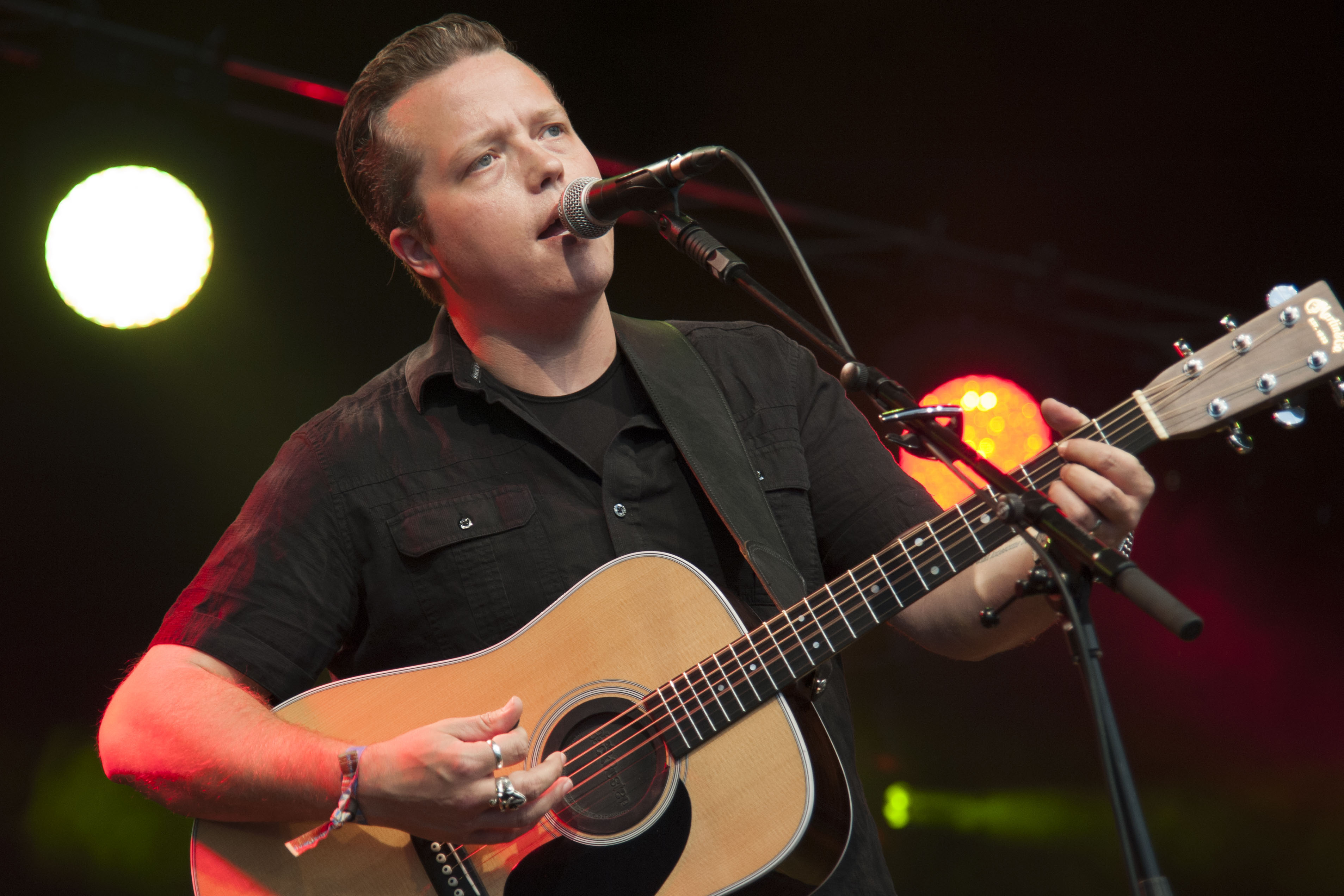
Late in August, an ad for the AI music generator Suno began circulating online: an 85-second clip showing Mary J. Blige in what looked like a studio session, reacting warmly – “pretty dope,” she says – to an AI-built track called “Pretty Flowers,” styled after her own sound, and suggesting a few production tweaks along the way. It read, to anyone who saw it, as a Grammy-winning R&B legend putting her name behind generative AI. On September 3, Suno pulled the ad. Its own statement admitted why: “We entered into a business deal with someone who presented themselves as Ms. Blige’s official representative. As soon as we learned this was not the case, and that Ms. Blige was uncomfortable, we terminated the advertising campaign.” Blige never authorized any of it. Her team’s public response, beyond confirming that, has been close to silent.
That would be a bad week for any company on its own. For Suno, it’s the second bad week in a row. Two days before the ad came down, on August 31, Grammy-winning singer-songwriter Jason Isbell led a federal class-action lawsuit against Suno in the U.S. District Court for the District of Massachusetts, joined by David Lowery (Camper Van Beethoven, Cracker), blues musician Guy Forsyth, and jazz saxophonist Eduardo Calle. The suit doesn’t allege copyright infringement – it’s a right-of-publicity claim, filed under seventeen counts across various state and territorial laws, arguing Suno encoded specific musicians’ identities into its model without consent and profits from the result. The complaint’s own exhibit is close to self-demonstrating: prompt Suno with “Jason Isbell,” and it generates a song called “Paper Bell,” described in Suno’s own output as “contemporary Americana singer-songwriter with fingerpicked acoustic guitar,” sung by a voice built to imitate Isbell’s, packaged with AI-generated cover art of a paper bell and a church. A second example in the filing shows the same trick working on Michael Jackson’s name typed with spaces between each letter – “m i c h a e l j a c k s o n” – specifically to slip past whatever filter is supposed to catch a direct artist-name prompt. Suno has called the claims without merit, and points to filters that block direct name searches; the lawsuit’s own examples are built to show those filters don’t hold.
Neither story is a first offense, and that’s the part worth sitting with longer than either headline alone deserves. Sony Music, Universal Music Group, and Round Hill have all separately sued Suno for copyright infringement. Warner Music Group sued in 2025 and settled into a licensing partnership rather than fight it out. A German court, ruling on a GEMA suit in September 2025, found Suno had violated both U.S. and German copyright law. And three months before any of this, in June 2026, SZA said publicly that a search of an AI-training database turned up 238 of her own songs – some of them unreleased – being used without her permission, and specifically called out the platform’s push into Black artists’ catalogs as “disgusting.” The Blige ad isn’t a company making an unrelated mistake. It’s the same company, doing the same thing a different way: reaching for a Black artist’s identity and sound, this time not by training on her catalog without asking but by faking her direct, on-camera approval, and getting caught only because Blige herself pushed back.
That distinction is what makes this week’s story genuinely terrible rather than merely embarrassing. A copyright lawsuit is a dispute about whether a company had the right to use existing material. The Blige ad isn’t that kind of dispute – it’s a fabricated endorsement, built with someone posing as her representative, presented to the public as though she’d personally vouched for the exact technology artists have spent over a year in court arguing against. Suno’s statement frames it as a fraud committed against the company, a bad actor lying about who they represented. That may even be true. It’s also beside the point. The company that built a product capable of generating a fake Jason Isbell song from his name alone is the same company whose vetting process let a stranger claim to speak for Mary J. Blige long enough to put words and warmth in her mouth on camera. A pattern doesn’t require the same mechanism every time. It requires the same result, showing up again: an artist’s identity used before anyone confirmed she’d said yes.
Hero image: Jason Isbell performing at the Cambridge Folk Festival 50th Anniversary, 2014. Photo by Bryan Ledgard, licensed under CC BY 2.0.