An AI Madonna Cover Just Forced a National Chart to Change Its Rules
Josh Fawaz's AI-assisted club remix of 'Like a Prayer' topped Australian radio, then got caught -- and the fallout pushed ARIA into becoming the first national chart body anywhere to formally ban wholly AI-generated recordings.
 By Song Reviews · September 15, 2026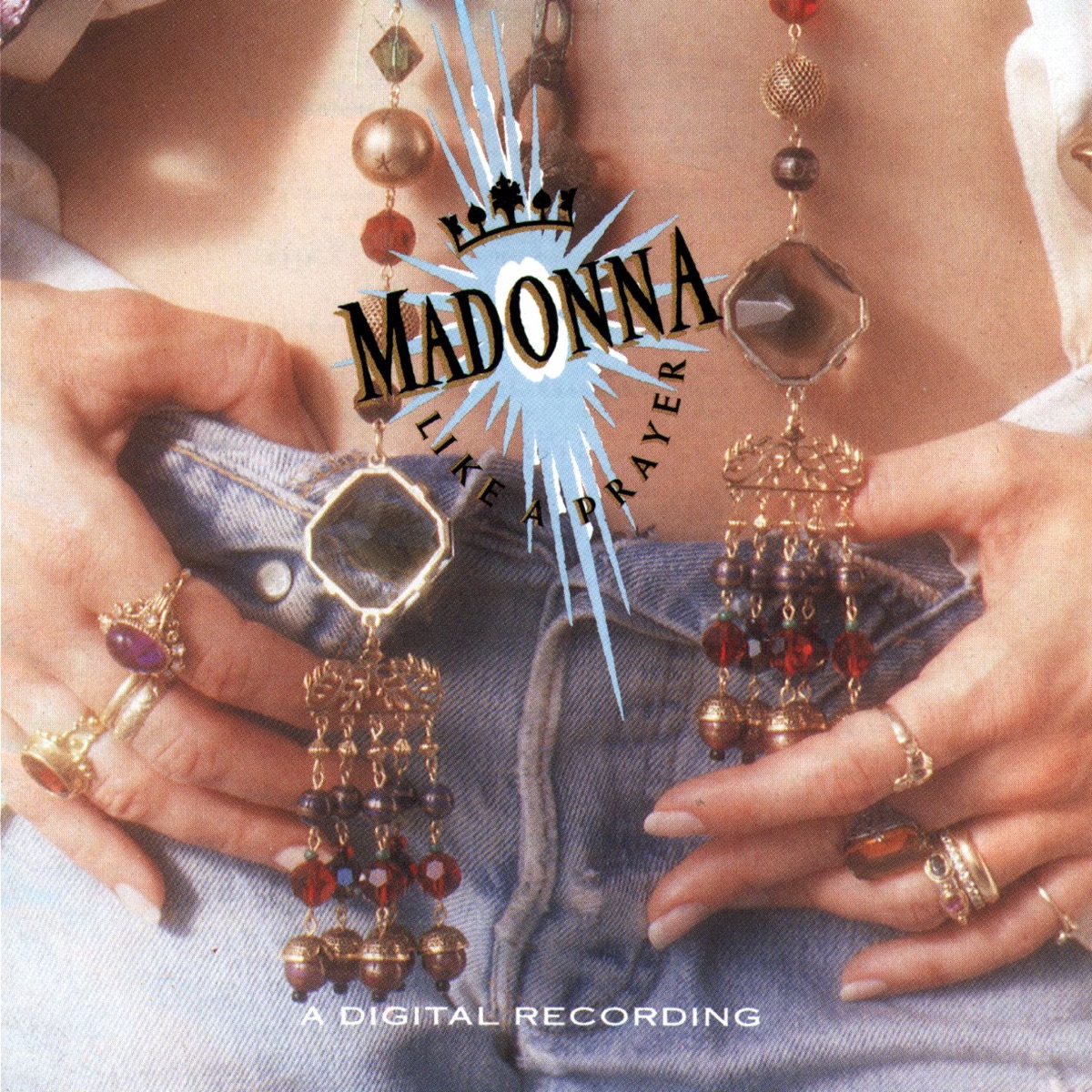
Brisbane DJ Josh Fawaz’s club remix of Madonna’s “Like a Prayer” did something most bedroom-producer AI experiments never manage: it actually worked as a hit. The track topped Australian radio and charted on the ARIA Top 20 Australian Dance Singles chart, racking up 48.5 million Spotify plays before anyone outside the credits list knew what had actually gone into making it. That’s the part of this story that separates it from the pile of novelty AI-music stunts this column has covered before – it wasn’t caught for sounding fake. It was caught because it succeeded well enough that people started asking questions.
The questions had an answer producer Mitch Thomas gave up first, calling the track AI-generated; Fawaz then quietly added AI vocal and drum credits to the Spotify listing on July 17, after the backlash had already started, rather than disclosing any of it up front. That sequencing matters. A song built partly with AI tools and disclosed as such going in is a different conversation than a song that climbs a real national chart under cover of looking human-made, with the AI credit only surfacing once people noticed something was off. Fawaz has since pushed back on the “entirely AI” framing, describing the record as AI-assisted rather than AI-generated – a distinction that would carry more weight if it had been the position he led with.
Australia’s ARIA didn’t let the ambiguity sit. On August 25, ARIA CEO Annabelle Herd announced that the organization would bar “wholly or largely AI-generated” recordings from chart eligibility and from consideration for ARIA Music Awards, effective with the chart dated August 31 – the first time any national chart body anywhere has drawn that line formally. ARIA’s own framing, per Herd, was explicit: the changes exist “to remain dynamic and promote the human nature of artistry in what is – to say the least – a rapidly developing space.” Fawaz, for his part, responded without much contrition: “I understand that AI in music isn’t for everyone and that’s fine. Good to see Aussie artists killing it globally!!”
What makes this Terrible Tuesday’s subject rather than just an odd industry footnote is the size of the consequence relative to the size of the trigger. One DJ’s remix, disclosed late and only under pressure, was enough to move an entire national chart’s rulebook – not a settlement, not a lawsuit, an actual structural change to how a country decides what counts as a real chart hit. Every AI-music controversy this column has covered so far has ended in a correction, a pulled ad, a lawsuit working its way through court. This one ended in a rule. That’s a meaningfully bigger outcome than the song itself, or the DJ behind it, obviously earned – which is precisely the point: it didn’t take a masterpiece or even an especially good fake to force the issue. It took one chart-topping single that got caught telling half the truth, at the exact moment an entire industry was looking for a reason to draw a line.
Hero image: “Like a Prayer” single cover art, Sire Records. Used under fair use for editorial commentary.