Terrible Tuesday: The Movie Tie-In Single Has Stopped Even Trying to Be a Song
Taylor Swift's 'I Knew It, I Knew You' debuted at No. 1 on the strength of a Toy Story 5 credit and nothing else, and it's the clearest current example of a trend that's quietly hollowed out one of pop's oldest, most legitimate forms.
 By Song Reviews · October 6, 2026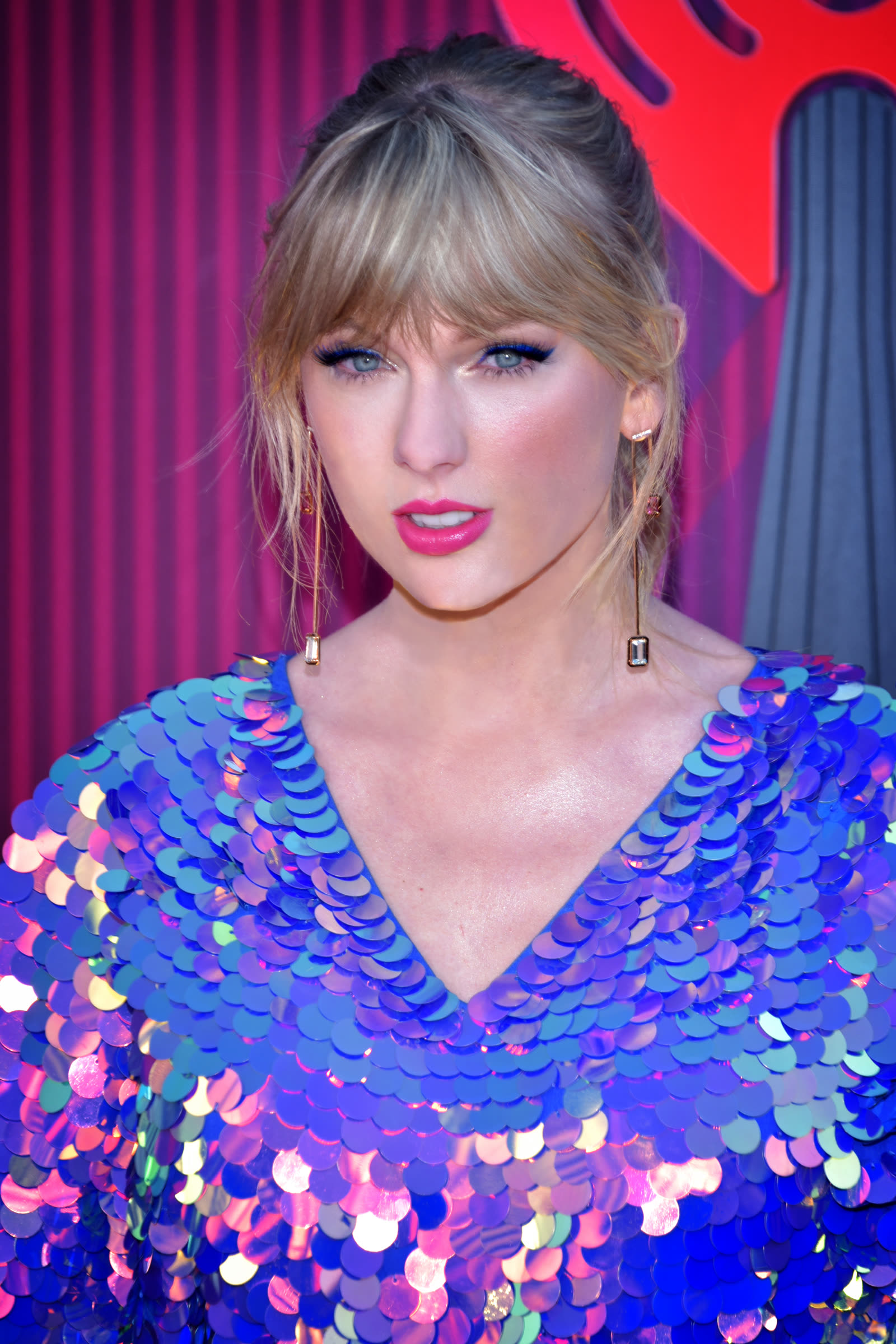
A movie tie-in single used to be a real shot at something. “My Heart Will Go On” outsold the film’s soundtrack budget by orders of magnitude and is still the song people reach for first when they think of Titanic. “Lose Yourself” won an Oscar nobody could argue with because it wasn’t written to promote 8 Mile, it was written to be the thing the character in it would actually have to say. The form has a real tradition behind it: a song gets a reason to exist beyond itself, and sometimes the reason sharpens the song rather than diluting it. This week’s pick is terrible because it shows how far the average version of that form has drifted from its best examples – not one song, but the whole current practice, with this column’s own August review of Taylor Swift’s “I Knew It, I Knew You” as the clearest evidence on hand.
The facts of that single are already on the record here: written in character as Toy Story 5’s Jessie, produced with Jack Antonoff, debuted at No. 1 – Swift’s ninth chart-topping debut – off a first-day Spotify haul in the high single digit millions and a same-day music video. This column scored it 6.3 out of 10 and called it “a fine three minutes, elevated well past its actual weight by the name and the franchise attached to it.” Two months and several Mega Mondays later, that read holds up better than most single-week verdicts do: the song has spent its entire chart life in the bottom half of the Hot 100’s top 10, currently sitting at No. 8, never once threatening to be anyone’s favorite Taylor Swift song, including, you’d guess, Taylor Swift’s.
What makes this a trend rather than one artist’s one weak single is how unremarkable the pattern has become. A studio needs a trailer-ready needle-drop or an end-credits moment; it goes to an artist with enough existing audience that the opening week is guaranteed regardless of the song’s quality; the song gets written fast, inside someone else’s story, with a release date locked to a marketing calendar rather than to when the song is actually finished. None of those four conditions is new. What’s changed is that the industry no longer pretends the song has to clear a bar beyond “exists, has the right name on it, comes out on schedule.” “My Heart Will Go On” and “Lose Yourself” happened to be genuinely great songs that also satisfied a marketing requirement. The contemporary version treats satisfying the marketing requirement as the whole job, and a song that clears only that bar is, by definition, not required to be good – just timely.
The honest case against “I Knew It, I Knew You” was never that Taylor Swift can’t write a tie-in song worth keeping; her catalog has plenty of songs written to spec that outlasted the spec. It’s that a No. 1 debut built entirely on a fifteen-year fan base and a film studio’s marketing budget doesn’t need to clear that bar to count as a win by every metric that gets reported the week it comes out. The chart position becomes the story instead of the song, which means nobody involved – not the label, not the studio, not, in this specific case, even the critics who covered the debut week – has much incentive to ask whether the song is actually any good until a column like this one gets around to it two months later, after the headlines have moved on and the record is already filed as a success. That’s the terrible thing here: not a bad three minutes of music, which this isn’t, but a form that used to occasionally produce the best song of the artist’s career and now mostly produces contractual obligations with choruses, and gets treated like a win either way.
Hero image: Taylor Swift performing, 2019, by Glenn Francis, licensed under CC BY-SA 4.0.