Terrible Tuesday: An Engineer Signed Off on That Grandstand One Day Before It Collapsed
A multi-tiered grandstand holding 700 to 1,000 fans collapsed mid-set at the Red Hot Summer Tour's Gold Coast stop on November 1, injuring 22 people -- one day after the promoter says an engineer signed off on the exact structure that failed.
 By Song Reviews · November 10, 2026
On the afternoon of November 1, with roughly 10,000 people packed onto Coolangatta Beach on Australia’s Gold Coast for the Red Hot Summer Tour, a multi-tiered temporary grandstand gave way around 2:50pm while Boom Crash Opera played. Somewhere between 700 and 1,000 people were on the structure when it failed. Twenty-two of them needed medical treatment – a fractured collarbone, ankle injuries, two back injuries – and four were hospitalized. One woman’s ankle became trapped in the wreckage. Off-duty nurses Claire Borg and Alicia Glohe, both in the crowd as fans, were among the first to reach the injured. Witness Alicia Glohe described the moment the grandstand gave: “you could hear a commotion behind us… I turned around and could see the grandstand look like a wave.”
This week’s Terrible Tuesday subject isn’t a song. It’s the single fact that makes this collapse worse than an ordinary structural failure: the grandstand had been inspected and signed off by an engineer the day before. Event promoter Face to Face Touring said as much in its own statement: “Yesterday that grandstand was signed off by an engineer and we will be having a meeting with that particular company to thoroughly investigate why that just happened.” That’s not a promoter dodging responsibility – it’s a promoter admitting, in its own words, that the safety process built to prevent exactly this outcome ran, passed, and failed anyway, less than 24 hours before 22 people got hurt. A structure that was never inspected failing is a scandal about corner-cutting. A structure that was inspected and still failed is a scandal about whether the inspection means anything at all, and that’s the harder, more important version of this story.
To the tour’s credit, the actual emergency response afterward was handled about as well as a mid-show structural failure can be: the show stopped, emergency crews moved in, the grandstand section was closed, and the concert resumed roughly an hour later with Vika & Linda, Eskimo Joe, Birds of Tokyo, Men at Work, and Australian Crawl all still performing as scheduled. Affected fans in the collapsed section are getting full refunds. None of that undoes the 22 injuries, but it’s the right sequence of decisions once the structure had already failed – which only sharpens the actual question nobody’s answered yet: why did a signed-off structure fail in the first place, holding a crowd well within whatever capacity that sign-off was supposed to certify as safe?
Queensland Police and Workplace Health and Safety Queensland are now investigating, and the Gold Coast mayor has already floated banning the tour from returning to Coolangatta Beach pending the results. That’s a reasonable instinct, but it’s aimed at the wrong target if the actual failure sits one layer back, with whichever engineering firm certified a grandstand that came apart under a crowd it was built to hold. Banning a touring festival from one beach does nothing about the next engineer signing off on the next temporary structure at the next stop, for the next promoter, on the same week-old inspection logic that just got 22 people hurt. Touring infrastructure runs on exactly this kind of rushed, repeated, site-to-site certification – a grandstand goes up, gets inspected once, and holds a crowd for one night before coming down again somewhere else. When that process works, nobody notices it. On November 1, it didn’t, and the sign-off that was supposed to be the whole point of the process turned out to be worth exactly as much as no sign-off at all.
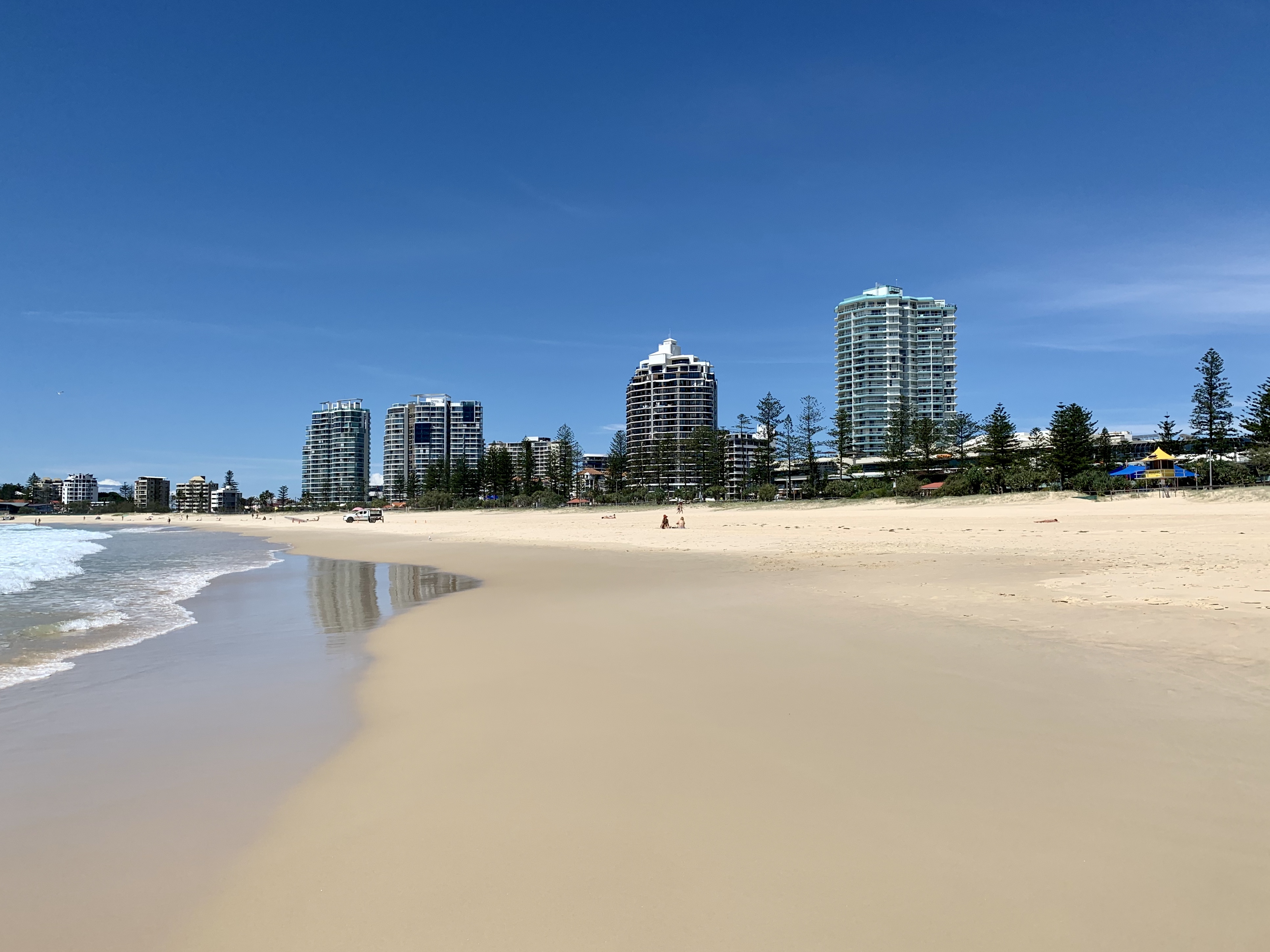
Hero image: Coolangatta Beach, Gold Coast, Queensland – site of the Red Hot Summer Tour grandstand collapse. Photo by Kgbo, licensed under CC BY-SA 4.0, via Wikimedia Commons.