Throwback Thursday: Six Genres, Six Decades, Six Songs Nobody Wrote Alone
From a 1946 bluegrass waltz to a 1992 Tejano standard, this week's six-genre, six-decade run keeps turning up the same twist: the songwriter, the session player, or the credit line wasn't who the record made famous.
 By Song Reviews · September 10, 2026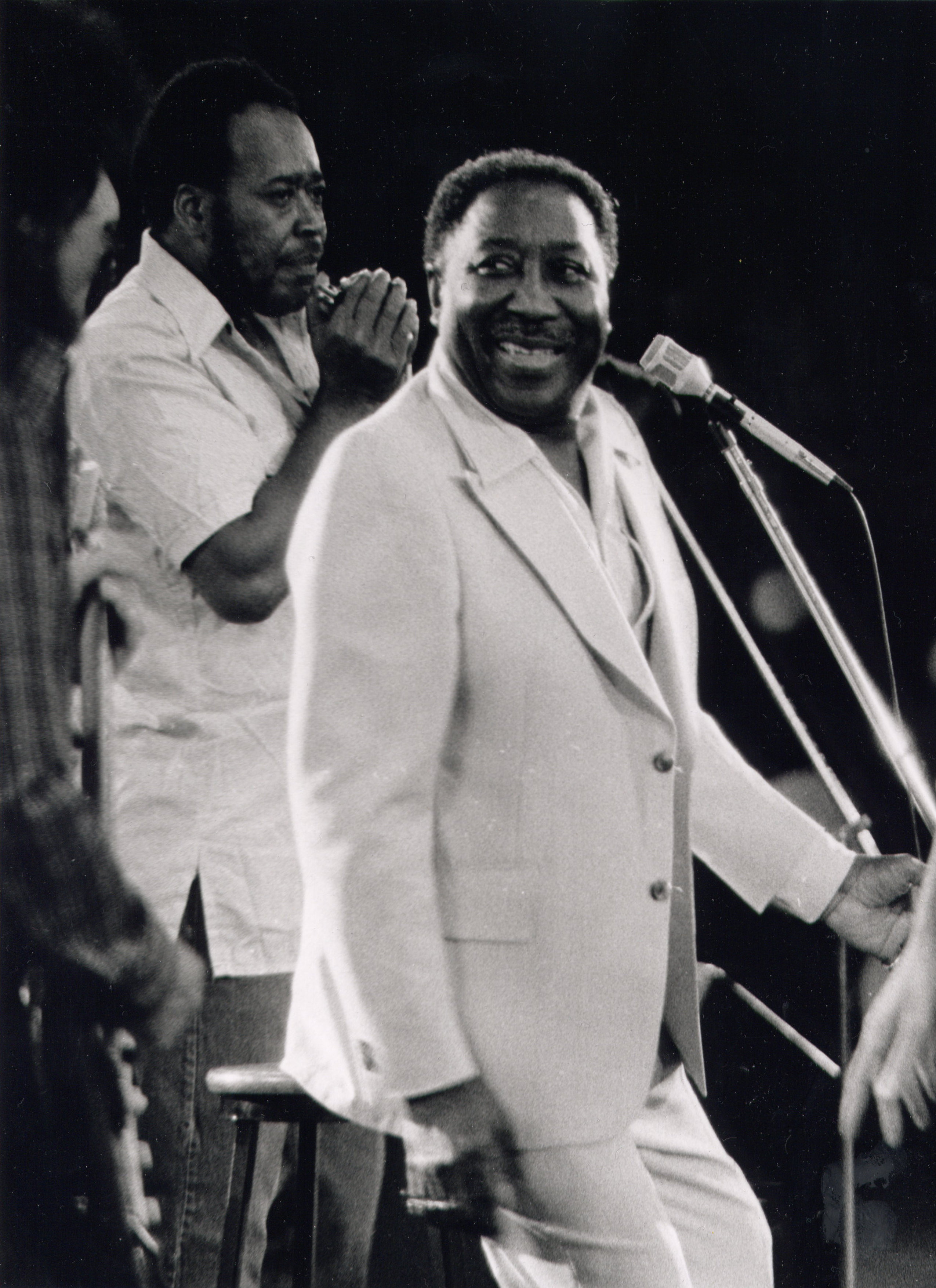
What Throwback Thursday Is
Every Thursday, Song Reviews looks backward: one short retrospective per major genre, deliberately jumping between decades instead of camping in one. These entries are not graded. The artists we cover on a Thursday are settled business, so the Review Score box carries the Song.Reviews mark and the words Greatest of All Time! rather than a number, on every Thursday entry, every week. The writing still has to earn its place – “this is great” is not a piece of criticism.
Today’s Run
Six genres, six consecutive decades, 1946 through 1992:
| Genre | Year | Record |
|---|---|---|
| Bluegrass | 1946/47 | Blue Moon of Kentucky — Bill Monroe |
| Blues | 1954 | (I’m Your) Hoochie Coochie Man — Muddy Waters |
| Folk Rock | 1965 | Like a Rolling Stone — Bob Dylan |
| Punk Rock | 1976 | Blitzkrieg Bop — Ramones |
| Funk | 1981 | Super Freak — Rick James |
| Tejano | 1992 | Como La Flor — Selena |
What Connects Them
Line these six up and a pattern shows up that has nothing to do with genre or decade: in every single case, the record that made an artist famous depended on someone or something other than the artist’s own credited authorship to become what it is. Bill Monroe’s waltz got its second life – and its 4/4 rearrangement – because Elvis Presley’s cover taught its own writer how to play it differently. Muddy Waters’ signature song was written by Willie Dixon and mislabeled on the original pressing. Bob Dylan’s defining single is anchored by an organ part an uninvited musician faked his way into playing. The Ramones’ whole genre-founding chant traces back to a half-heard line in someone else’s cover of a different song. Rick James’ hit paid him twice, the second time as the uncredited bassline underneath somebody else’s No. 1. And Selena’s most personal song carries a verse the songwriter finished singing himself, after she’d already left the studio.
None of that is a knock on any of the six. If anything, it’s the opposite of the myth these records usually get wrapped in – the lone genius laying down a masterpiece in one uninterrupted take. What actually happened, six times in six different genres across nearly fifty years, is closer to how most enduring records actually get made: a songwriter who isn’t the singer, a session player doing something they weren’t hired to do, a cover version teaching the original how to sound. The songs became legendary anyway, on their own merits, fully deserving of the word this column reserves for a Thursday. They just didn’t get there entirely alone, and it turns out that’s not a footnote worth hiding. It’s most of the story.
Hero image: Muddy Waters performing with James Cotton, Ontario Place, Toronto, June 1978. Photo by Jean-Luc Ourlin, licensed under CC BY-SA 2.0.