Throwback Thursday: Five Hits Borrowed Straight From the Concert Hall
From Eric Carmen splitting royalties with Rachmaninoff's estate to Nas building a children's-education single around 'Fur Elise,' five different decades of pop, disco, and hip-hop all borrowed the same source material: the classical repertoire.
 By Song Reviews · September 17, 2026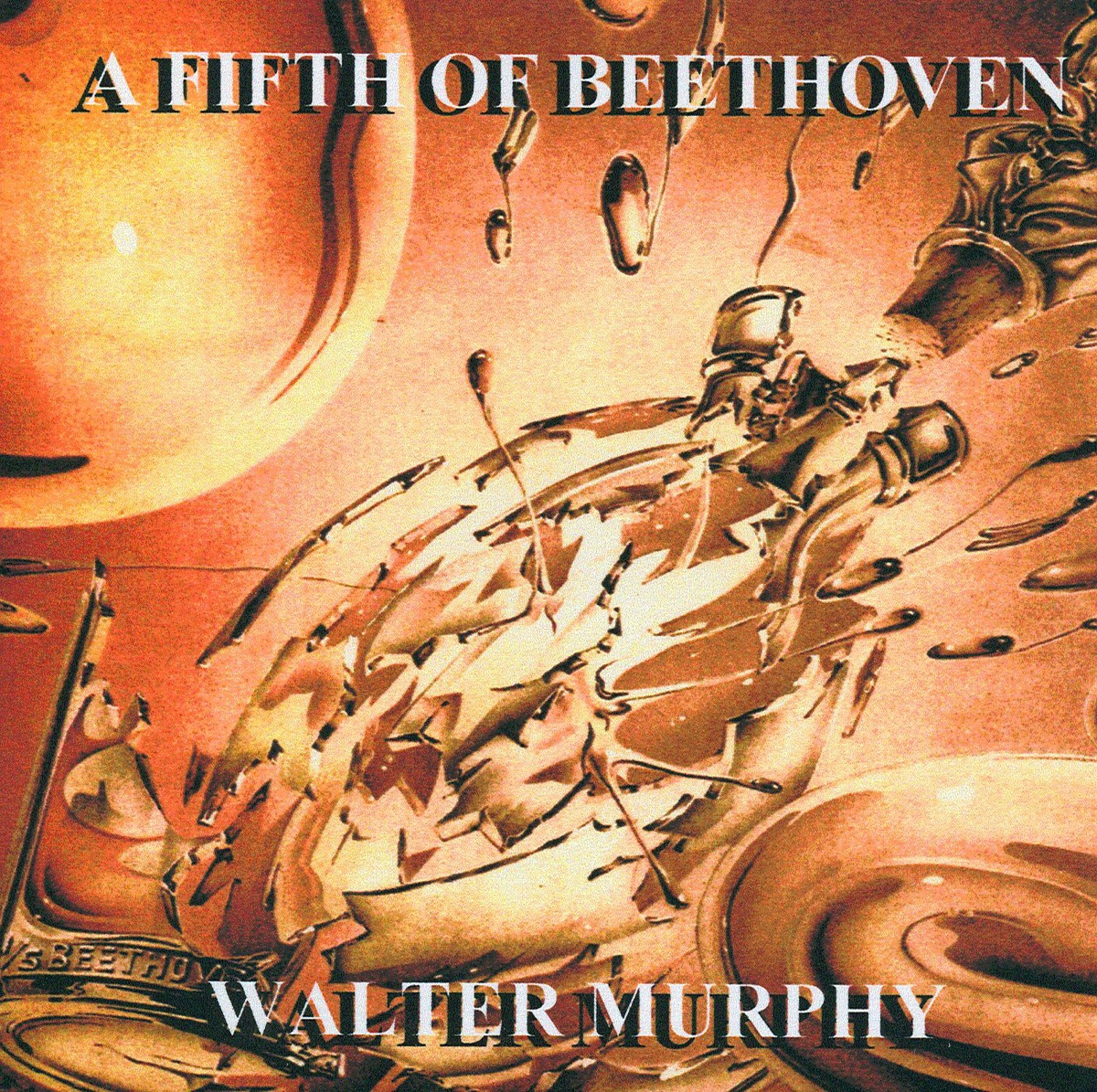
What Throwback Thursday Is
Every Thursday, Song Reviews looks backward: one short retrospective per major genre, deliberately jumping between decades instead of camping in one. These entries are not graded. The artists we cover on a Thursday are settled business, so the Review Score box carries the Song.Reviews mark and the words Greatest of All Time! rather than a number, on every Thursday entry, every week. The writing still has to earn its place – “this is great” is not a piece of criticism.
Today’s Run
Five genres, five decades, one shared source:
| Genre | Year | Record | Classical Source |
|---|---|---|---|
| Soft Rock | 1975 | All by Myself – Eric Carmen | Rachmaninoff, Piano Concerto No. 2 |
| Disco | 1976 | A Fifth of Beethoven – Walter Murphy | Beethoven, Symphony No. 5 |
| Pop Rock | 1983 | This Night – Billy Joel | Beethoven, Piano Sonata No. 8 (“Pathetique”) |
| Hip Hop | 2002 | I Can – Nas | Beethoven, “Fur Elise” |
| Pop Rock | 2019 | Memories – Maroon 5 | Pachelbel, Canon in D |
What Connects Them
Line these five up and the pattern is almost too clean: four of the five reach for Beethoven specifically, across four completely unrelated genres and forty-four years, and the fifth reaches for a piece almost as famous for being overplayed at weddings as Beethoven’s Fifth is for being a ringtone. That’s not evidence these five songwriters lacked imagination. It’s evidence of exactly the opposite – each one recognized that a small handful of classical works have become so structurally embedded in Western musical memory that borrowing them isn’t theft, it’s a shortcut to emotional information a listener already has stored, waiting to be reactivated in a new context.
What each artist did with that shortcut is where the real differences show up. Eric Carmen didn’t realize the piece he loved was still under copyright and ended up splitting his song’s publishing with the Rachmaninoff estate once that became clear – an accidental borrowing that turned into a formal, legally recognized one. Walter Murphy went the opposite direction on purpose, crediting a whole disco arrangement to a fictional band name specifically so the joke wouldn’t overshadow the fact that he’d actually orchestrated Beethoven’s own developmental logic, not just looped four notes. Billy Joel skipped the ambiguity entirely and put Beethoven’s name on the sleeve as a co-writer, the most upfront of any artist in this lineup about where his ache came from. Nas took the most recognizable beginner-piano piece in the world and pointed it at children instead of adults, turning a piano-lesson cliché into an education record. And Maroon 5 took the most weaponized-for-weddings four chords in existence and asked them to carry a funeral instead, betting that the progression’s own warmth could survive a complete inversion of the emotion it’s usually hired for.
None of these five needed the classical source to succeed – each one is a fully formed song with its own lyric, arrangement, and reason to exist. What the borrowing actually did, in every case, was hand each songwriter a head start on the one thing a new song can least afford to fumble: making a listener feel something immediately, using material a few hundred years of concert-hall history had already proven works.
Hero image: “A Fifth of Beethoven” single cover art, Private Stock Records. Used under fair use for editorial commentary.