Throwback Thursday: Six Rock Hall Records Whose Stories Started Outside the Studio
Iron Maiden, New Order and four Early Influence honorees from the Rock Hall's class of 2026 -- each with a record whose origin story begins with a poem, a sleeve, a bombing, a raid, a slur or another writer's lyric.
 By Song Reviews · October 1, 2026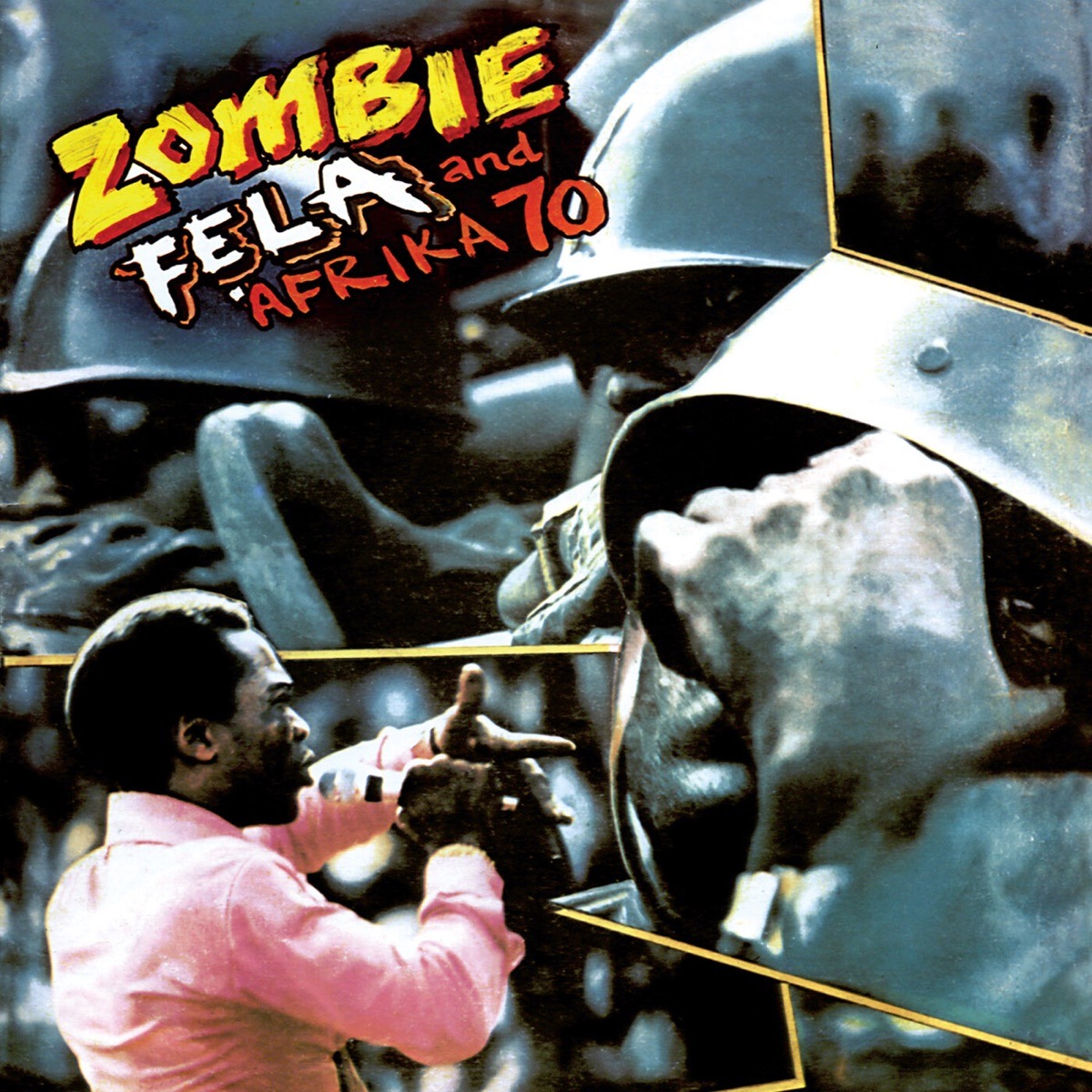
What Throwback Thursday Is
Every Thursday, Song Reviews looks backward: one short retrospective per major genre, deliberately jumping between decades instead of camping in one. These entries are not graded. The artists we cover on a Thursday are settled business, so the Review Score box carries the Song.Reviews mark and the words Greatest of All Time! rather than a number, on every Thursday entry, every week. The writing still has to earn its place – “this is great” is not a piece of criticism.
Today’s Run
Last Thursday’s run covered six of the Rock and Roll Hall of Fame’s eight 2026 Performer inductees. Today finishes the Performer class with Iron Maiden and Joy Division/New Order, and adds four of the five Early Influence Award honorees: Celia Cruz, Fela Kuti, Queen Latifah and Gram Parsons. (The fifth, MC Lyte, is not covered today.) The Hall announced the class on April 13, 2026, and the induction ceremony is set for Saturday, November 14, at the Peacock Theater in Los Angeles.
| Genre | Year | Record | Hall of Fame category |
|---|---|---|---|
| Country Rock | 1974 | Return of the Grievous Angel – Gram Parsons | Early Influence |
| Afrobeat | 1976 | Zombie – Fela Kuti | Early Influence |
| Synth-Pop / Dance | 1983 | Blue Monday – New Order | Performer (as Joy Division/New Order) |
| Heavy Metal | 1983 | The Trooper – Iron Maiden | Performer |
| Hip-Hop | 1993 | U.N.I.T.Y. – Queen Latifah | Early Influence |
| Salsa | 1998 | La Vida Es un Carnaval – Celia Cruz | Early Influence |
What Connects Them
Last week’s six were united by what the charts missed. These six share something different: the most-repeated fact about each one is about where it came from, not how it was played. The Trooper began as Tennyson’s 1854 poem about the Charge of the Light Brigade, which bassist Steve Harris turned into a galloping riff. Return of the Grievous Angel began as a poem by Tom Brown, written with Gram Parsons in mind as its singer. La Vida Es un Carnaval began when composer Victor Daniel watched a woman on television describe losing her family in the 1994 AMIA bombing. U.N.I.T.Y. took as its subject how women are treated on the street and inside hip-hop itself. Zombie is a twelve-minute song about the Nigerian military that was followed, in February 1977, by a military attack on the singer’s home. And Blue Monday, the most machine-made record on the list, is best known for a design object: Peter Saville’s die-cut floppy-disk sleeve, and the disputed story about what it cost.
Five of the six started from someone else’s text, an outside event or an object; only Fela Kuti wrote the song that put him in the path of the consequences. In every case the record’s job was to give that starting point a sound, and the sound is why we still play them. The run also carries a warning about the form. The outside story is the part of a record that gets repeated past the evidence: the floppy-disk sleeve’s cost is the clearest example, since its own designer says he is tired of the story and will not vouch for it. A good Thursday entry keeps the story and marks where the evidence stops.
Four of these six are Early Influence honorees, and the pattern may be why: a record that arrives with a subject and a stake tends to matter beyond how it sounds. Iron Maiden and New Order are in as Performers, but their entries here fit the same rule, since both records are known first for what they brought into the studio.
Hero image: “Zombie” album cover art, Coconut Records. Used under fair use for editorial commentary.