Throwback Thursday: Five Horror Records, and the Same Boris Karloff Movie Hiding Behind Two of Them
A novelty No. 1 born from a Karloff obsession, a drunken accident that became an American standard, an uncredited Michael Jackson hook, a song two horror franchises both adopted independently, and the Boris Karloff movie that also gave heavy metal its name -- five records, five genres, one week before Halloween.
 By Song Reviews · October 29, 2026
What Throwback Thursday Is
Every Thursday, Song Reviews looks backward – one short, ungraded tribute per major genre, deliberately jumping across different decades and eras to trace where a sound or a story actually came from.
This Week’s Run
Five records, five genres, timed to the week before Halloween, each one shaped by horror in a way that outlasted its original context:
- Monster Mash (1962, novelty) – Bobby “Boris” Pickett’s own Karloff fandom, recorded in under an hour, banned by the BBC for 11 years as “too morbid.”
- I Put a Spell on You (1956, R&B) – a polite ballad turned into a guttural accident after a producer got the whole session drunk; Hawkins didn’t remember recording it.
- Somebody’s Watching Me (1983, pop) – Rockwell’s paranoid synth-pop hit, carried by an uncredited Michael Jackson chorus vocal nobody at Motown would confirm.
- Red Right Hand (1994, post-punk) – written independently of both, it became the shared, unofficial theme of Scream and Peaky Blinders alike, decades apart.
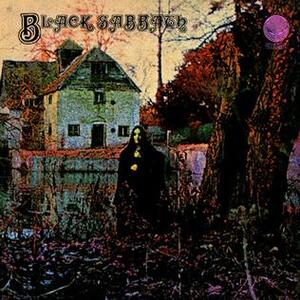
- Black Sabbath (1970, heavy metal) – named for a Boris Karloff horror anthology playing across the street from rehearsal, and credited with inventing an entire genre.
What Connects Them
Horror is the thread tying all five picks together for the week before Halloween, but the more interesting connection sits underneath that one: two completely unrelated genres, born twelve years and a world apart, both trace back to the exact same actor. Bobby Pickett built “Monster Mash” out of a lifelong personal obsession with Boris Karloff, turning that fandom into a vocal impression and a novelty No. 1. Eight years later, an entirely different band of English blues musicians walked past a cinema marquee advertising Black Sabbath, Karloff’s 1963 horror anthology, and emerged with both a new name and the riff that’s most often credited with inventing heavy metal. Neither band was responding to the other – Earth-turned-Black-Sabbath likely had no idea they were repeating Pickett’s exact move – but the same horror star’s image proved flexible enough to generate a novelty hit on one end of the decade and an entire new genre on the other.
The other three picks make a related point from a different angle: that a song’s most famous identity is frequently decided by something other than its own merits or its creator’s intentions. Screamin’ Jay Hawkins never meant to scream and gurgle his way through “I Put a Spell on You” – a producer’s decision to get the band drunk did that, and the accident outlived the ballad Hawkins actually set out to record. Rockwell’s “Somebody’s Watching Me” became a hit partly because of a famous voice Motown refused to officially acknowledge, turning plausible deniability into part of the song’s appeal. And Nick Cave wrote “Red Right Hand” with no connection to either Scream or Peaky Blinders, only to watch two unrelated screen properties, years apart, both decide independently that his song already sounded like what they needed. None of these five records became what they’re remembered for on the strength of a plan. An obsession, an accident, an open secret, and two separate coincidences did the actual work – horror, it turns out, is a remarkably good conductor for exactly that kind of chance.
Hero image: “Black Sabbath” (1970) album cover art, Vertigo/Warner Bros. Records. Used under fair use for editorial commentary.