Throwback Thursday: Five Genres, Five Decades, and Five Artists Who Broke Their Own Genre's Rules to Get There
A Tribe Called Quest, Talking Heads, B.B. King, Willie Nelson, and Donna Summer, spanning 1969 to 1990 -- five records that each became genre landmarks by borrowing, stripping away, or flatly contradicting what their own genre was supposed to sound like.
 By Song Reviews · November 5, 2026
What Throwback Thursday Is
Every Thursday, Song Reviews looks back – one short review per major genre, deliberately spread across different decades and eras. These are tribute reviews, not graded ones: the artists on this list are settled business, so the job is giving a reader who already knows the song one specific, checkable thing they didn’t know, rather than relitigating whether the record is good.
Today’s Run
| Genre | Year | Record |
|---|---|---|
| Blues | 1969 | B.B. King – “The Thrill Is Gone” |
| Outlaw Country | 1975 | Willie Nelson – “Blue Eyes Crying in the Rain” |
| Disco/Electronic | 1977 | Donna Summer – “I Feel Love” |
| New Wave | 1980 | Talking Heads – “Once in a Lifetime” |
| Hip Hop | 1990 | A Tribe Called Quest – “Can I Kick It?” |
What Connects Them
None of these five records sound anything like each other. What they share is a decision, made at the moment each one was built, to import something from outside their own genre’s rulebook and let it become the record’s defining feature instead of a gimmick bolted onto a safer arrangement.
B.B. King let a producer talk him into orchestral strings on a blues record at a moment when blues purists treated that kind of pop sweetening as a betrayal of the form – and it produced the single biggest pop-chart hit of his career. Willie Nelson made almost the opposite move inside country music the same era: where Nashville’s countrypolitan sound was piling on strings and polish, Nelson stripped a decades-old Fred Rose standard down to acoustic guitar and his own voice, and that subtraction, not an addition, is what gave him his first No. 1 single. Donna Summer and Giorgio Moroder went further than either – disco in 1977 was a live-band genre by definition, and “I Feel Love” simply discarded the band entirely in favor of a fully synthesized track, a choice so far outside disco’s own conventions that Brian Eno heard it as the sound of an entirely different future. Talking Heads, three years later, imported a writing process from somewhere closer to hip hop’s own developing logic than to rock’s – building “Once in a Lifetime” from a looped jam upward instead of writing a song and then recording it. And A Tribe Called Quest, closing out the run in 1990, built one of hip hop’s warmest records by taking a bassline whole from a Lou Reed rock song and finding something neither genre had done with it before – a decision so literal in its borrowing that Reed ended up owning every royalty the song ever generated.
Five genres, five decades, and the same underlying lesson, stated five different ways: the records that end up defining a genre are disproportionately the ones that broke that genre’s own rules to exist at all.
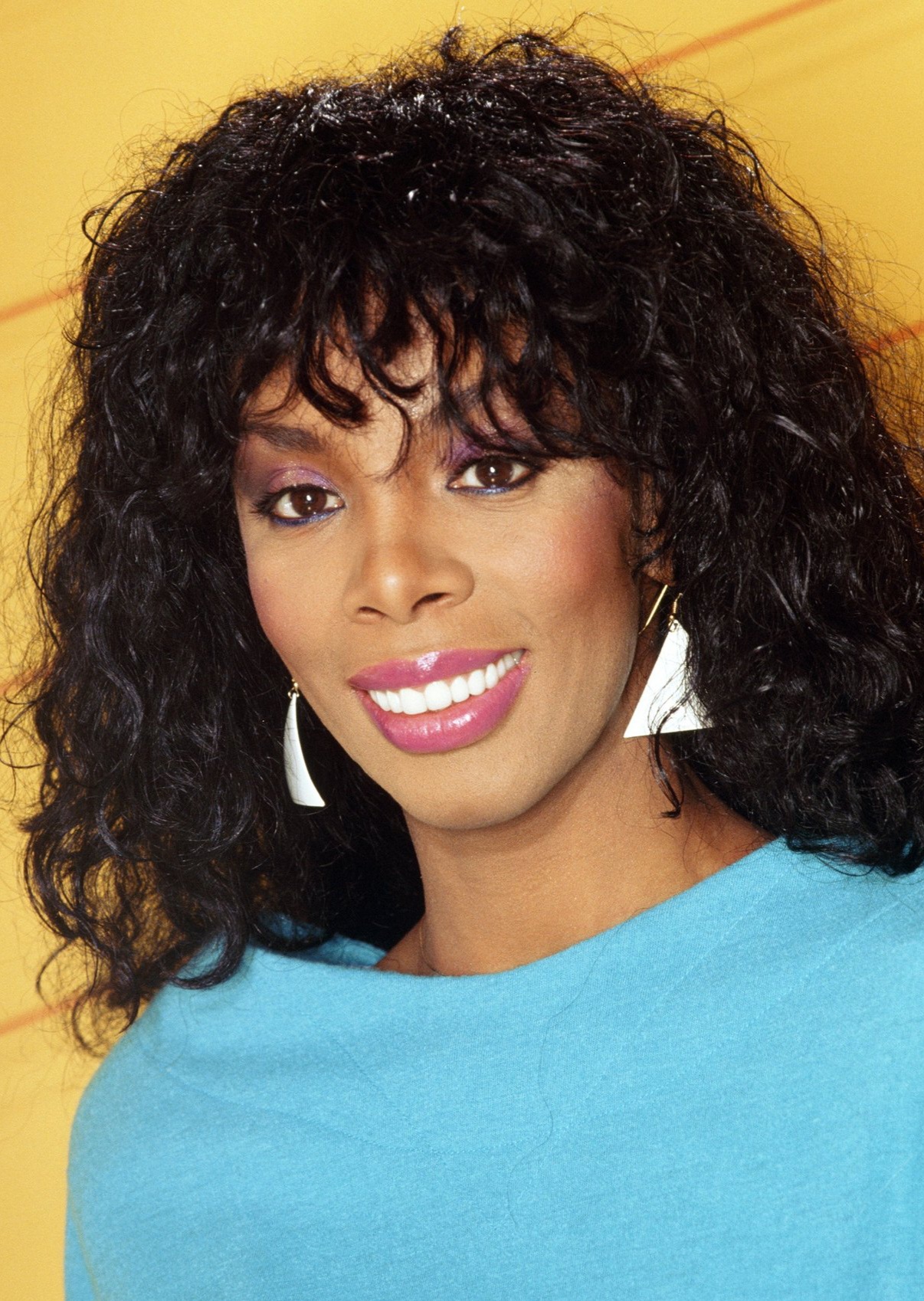
Hero image: Donna Summer, press photo. Used under fair use for editorial commentary.