Alice's Restaurant Massacree
Arlo Guthrie's 1967 talking blues turns a $25 Thanksgiving littering fine into an 18-minute shaggy-dog epic that radio stations still play every November.
 By Song Reviews · November 26, 2026
 Greatest of All Time!
Arlo Guthrie's 1967 talking blues turns a $25 Thanksgiving littering fine into an 18-minute shaggy-dog epic that radio stations still play every November.
On Thanksgiving Day 1965, Arlo Guthrie was 18 years old and a friend, 19-year-old Richard Robbins, was clearing trash in Stockbridge, Massachusetts. They found the town dump closed for the holiday and left the garbage at the bottom of a hill instead. According to the Berkshire Eagle’s account of the case, a $25 fine each and an order to remove the trash were the whole penalty. Guthrie turned the episode into the A-side of his 1967 debut album, Alice’s Restaurant, a deadpan talking blues that runs about 18 and a half minutes and builds a small municipal embarrassment into a full-scale satire of the draft.
The song works because Guthrie never raises his voice. The story is told in the same unhurried, bemused drawl from the first line to the last: the trash, the arrest, the courtroom where a visually impaired special judge, James Hannon, studies photographs with his guide dog at his side, and the punchline in which a littering conviction becomes a factor in the army’s attitude toward him. A recurring guitar figure holds it together, and the one-liners land because the delivery treats absurdity as ordinary. It’s a comedy record built the way a long folk ballad is built, with a setup, an escalation, and a sung chorus that returns like a refrain.
It has also become something close to a Thanksgiving ritual. Many classic rock and adult-album stations play it every year on the holiday; at Cleveland’s WMMS the tradition began in 1974, when John Gorman added it to the holiday lineup and, as he later put it, next year became every year. Few records ask for 18 minutes of a radio station’s day, and fewer still have a listener base that would complain if it were skipped. The song’s lasting trick is that it makes a protest feel like a family anecdote.
Greatest of All Time. An 18-minute shaggy-dog story about a littering ticket that became a holiday tradition, because nobody has told a protest song more gently.
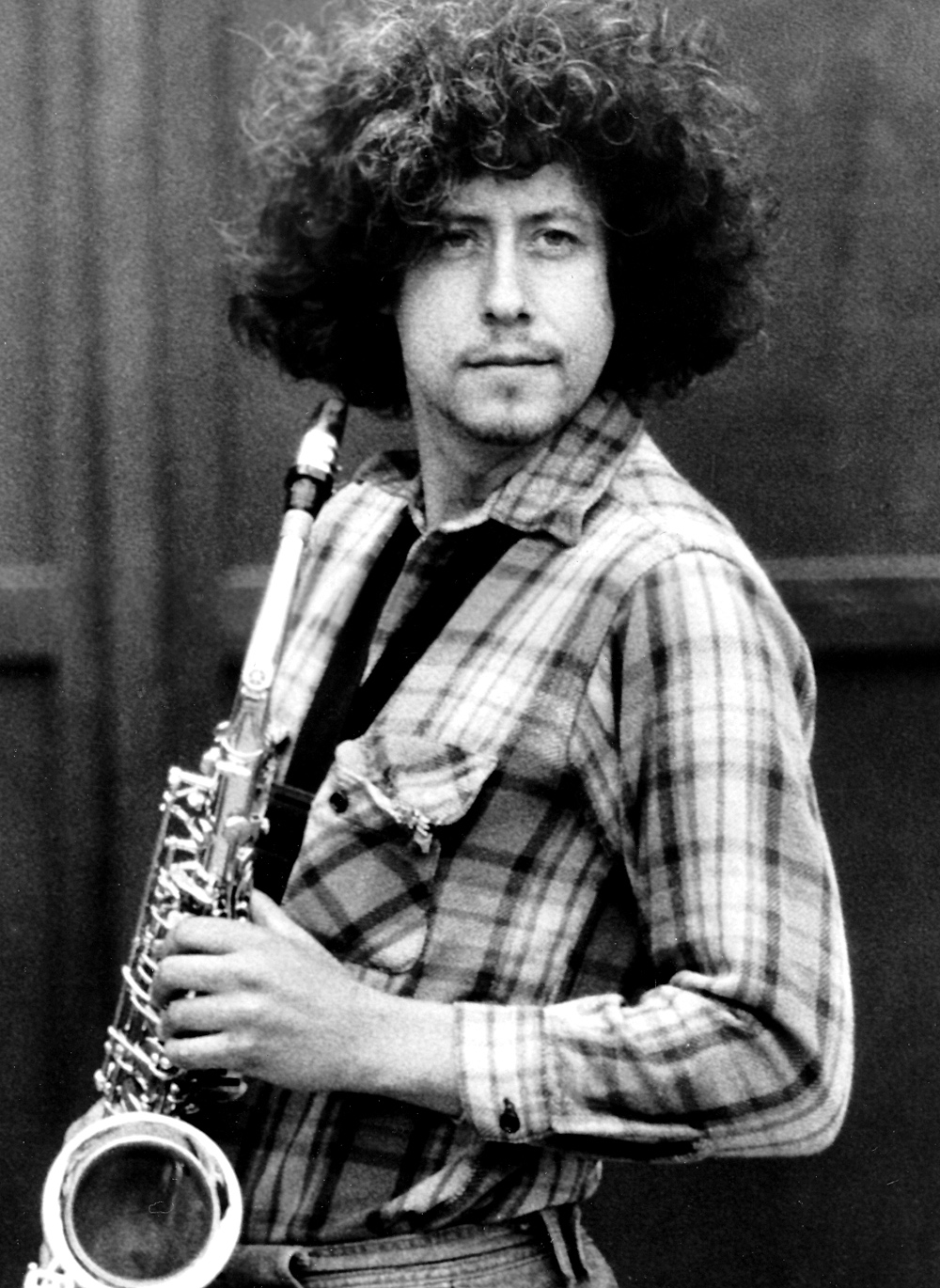
Hero image: Arlo Guthrie, 1979 publicity photo. Warner Bros., public domain, via Wikimedia Commons.