Be Thou My Vision
Van Morrison's 1991 reading treats an 8th-century Irish hymn as source material for his own loose, incantatory style, rather than as a text he has to perform carefully.
 By Song Reviews · October 18, 2026
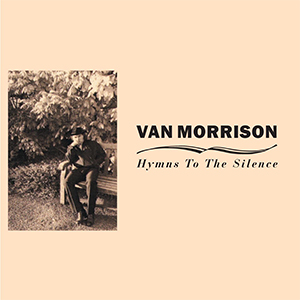
Van Morrison's 1991 reading treats an 8th-century Irish hymn as source material for his own loose, incantatory style, rather than as a text he has to perform carefully.
“Be Thou My Vision” traces back to an 8th-century Irish text, translated into English prose by Mary Byrne in 1905 and set to verse by Eleanor Hull in 1912; the melody most churches now sing it to, “Slane,” is a traditional Irish folk tune named for the hill where, by legend, St. Patrick lit an Easter fire in defiance of a pagan king. Van Morrison recorded it for 1991’s Hymns to the Silence, his first studio double album, alongside originals and a handful of other standards.
Morrison doesn’t treat the hymn with any special reverence distinct from how he treats his own songwriting – which is the performance’s real strength. His phrasing drifts and repeats the way it does on his secular material, letting individual words hang and circle back rather than marching through the text in even hymnal meter. That approach suits “Be Thou My Vision” better than a more careful, respectful reading would: the text is already a request for a kind of total, consuming focus, and Morrison’s own loose, semi-improvised delivery sounds like a man actually working himself into that focus in real time, rather than reciting a request he’s already settled into.
It helps that Morrison’s Belfast roots put him close to the hymn’s own geography and tradition without the recording ever announcing that connection outright. The arrangement is spare – acoustic guitar, understated backing, no attempt to inflate the song into something grander than Morrison’s own catalog typically allows.
8.1/10 – a rock artist treating a 1,300-year-old text exactly the way he treats everything else he sings, and the hymn is better for it.
Hero image: “Hymns to the Silence” album cover art, Polydor Records. Used under fair use for editorial commentary.