Believe
Throwback Thursday, 1998: a pitch-correction tool pushed hard enough to break, and a production team that lied about what it was for as long as they could.
 By Song Reviews · August 27, 2026
 Greatest of All Time!
Throwback Thursday, 1998: a pitch-correction tool pushed hard enough to break, and a production team that lied about what it was for as long as they could.
Auto-Tune, when it launched in 1997, was built to do one job quietly: nudge an off-pitch vocal back onto the correct note without anyone noticing it happened. Producers Mark Taylor and Brian Rawling, working on Cher’s “Believe” the following year, did the opposite. They set the software’s retune speed to instant — the setting meant to be avoided, because it snaps the pitch to the nearest note immediately instead of gliding into it — and let the vocal warble and stutter across “I can’t break through” until it stopped sounding like a corrected human voice and started sounding like something else entirely.
Cher liked it enough to insist it stay in the mix over Warner Bros.’s objections that it sounded too strange for a single. Taylor and Rawling, for their part, spent a stretch of time after the song’s release telling interviewers the effect had come from a vocoder — the Kraftwerk-associated device for turning a voice into a synthesized tone — rather than admit they’d broken a pitch-correction tool on purpose. It was a competitive move as much as a coy one: naming Auto-Tune would have handed every other producer in pop the same trick. The real explanation eventually became widely known anyway, and the specific setting has carried an informal name in Auto-Tune’s own documentation ever since: the Cher effect.
The song backed up the risk. It hit No. 1 in the UK for seven consecutive weeks starting in late October 1998, topped the Billboard Hot 100 the following March, and reportedly led charts in more than twenty countries. A generation of pop and hip-hop vocals since — some using the effect sincerely, some ironically, some just because it’s now the default — trace back to a producer team hiding what they’d actually done for as long as the lie held up.
Greatest of All Time. A tool built to hide mistakes, turned instead into the most recognizable vocal effect of its decade.
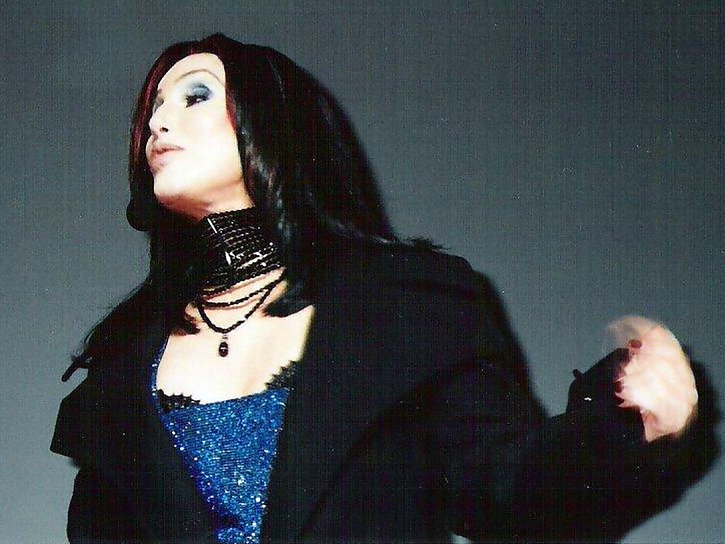
Hero image: Cher performing “Believe” at WKTU-FM’s Miracle on 34th Street show, New York, December 1998, by M Abancourt, licensed under CC BY 2.0.