Blue Moon of Kentucky
Bill Monroe's 1946 waltz didn't just found bluegrass -- eight years later, its own writer re-arranged it to match the 4/4 rock and roll cover that made it famous a second time.
 By Song Reviews · September 10, 2026
 Greatest of All Time!
Bill Monroe's 1946 waltz didn't just found bluegrass -- eight years later, its own writer re-arranged it to match the 4/4 rock and roll cover that made it famous a second time.
Bill Monroe recorded “Blue Moon of Kentucky” for Columbia on September 16, 1946, at the Wrigley Building in Chicago, with a Blue Grass Boys lineup that included Lester Flatt on guitar and Earl Scruggs on banjo – both still years from forming their own band, both already playing on the record that would help define the genre they’d go on to make famous separately. Released the following year, it’s a waltz in the most literal sense: three-quarter time, high lonesome tenor, mandolin and banjo trading the lead the way string-band music had for decades before Monroe gave the sound a name.
The stranger part of its history came eight years later. Elvis Presley cut “Blue Moon of Kentucky” as the B-side to “That’s All Right” at Sun Records on July 7, 1954, and converted it wholesale – 4/4 time, Scotty Moore’s guitar pushed up front, Bill Black slapping the bass into something closer to a backbeat than a waltz ever needed. Sam Phillips is said to have called it a pop song the moment he heard the playback. Monroe reportedly resisted the cover at first. He didn’t resist it for long: once the songwriting royalties started arriving, he rearranged his own live performances of the song into 4/4 time, adapting his original to match the record that had turned it into a hit a second time.
Greatest of All Time. – the founding waltz of bluegrass, rewritten by its own composer to match the rockabilly cover that outgrew it.
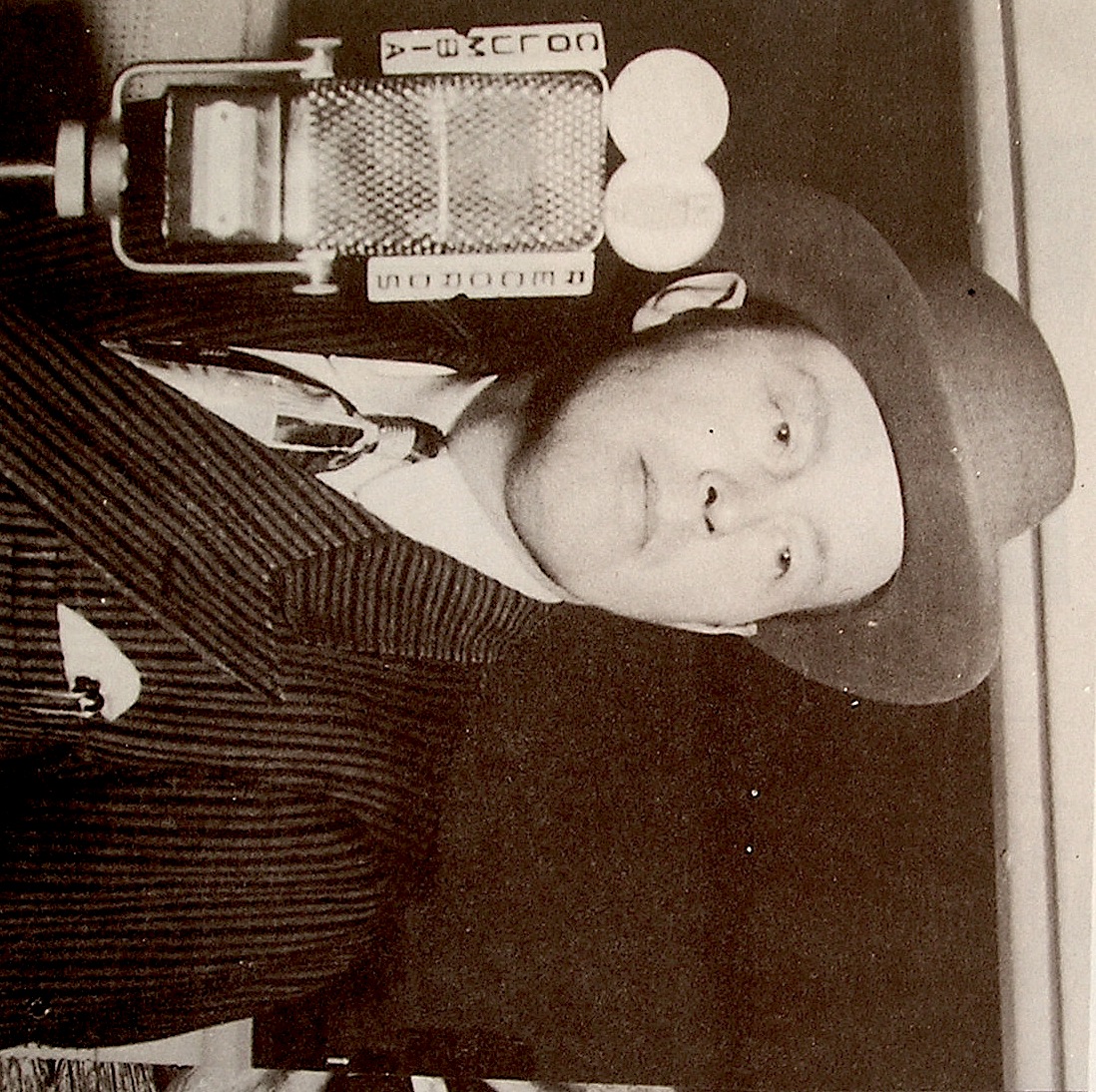
Hero image: Bill Monroe, mid-20th century portrait. Photo via Flickr, licensed under CC BY-SA 2.0.