Chains & Whips
Clipse's first album in 16 years centers on a Kendrick Lamar verse the duo's own label allegedly tried to kill — and the song survives the fight around it as the sharpest thing either rapper has put on record in years.
 By Song Reviews · August 22, 2026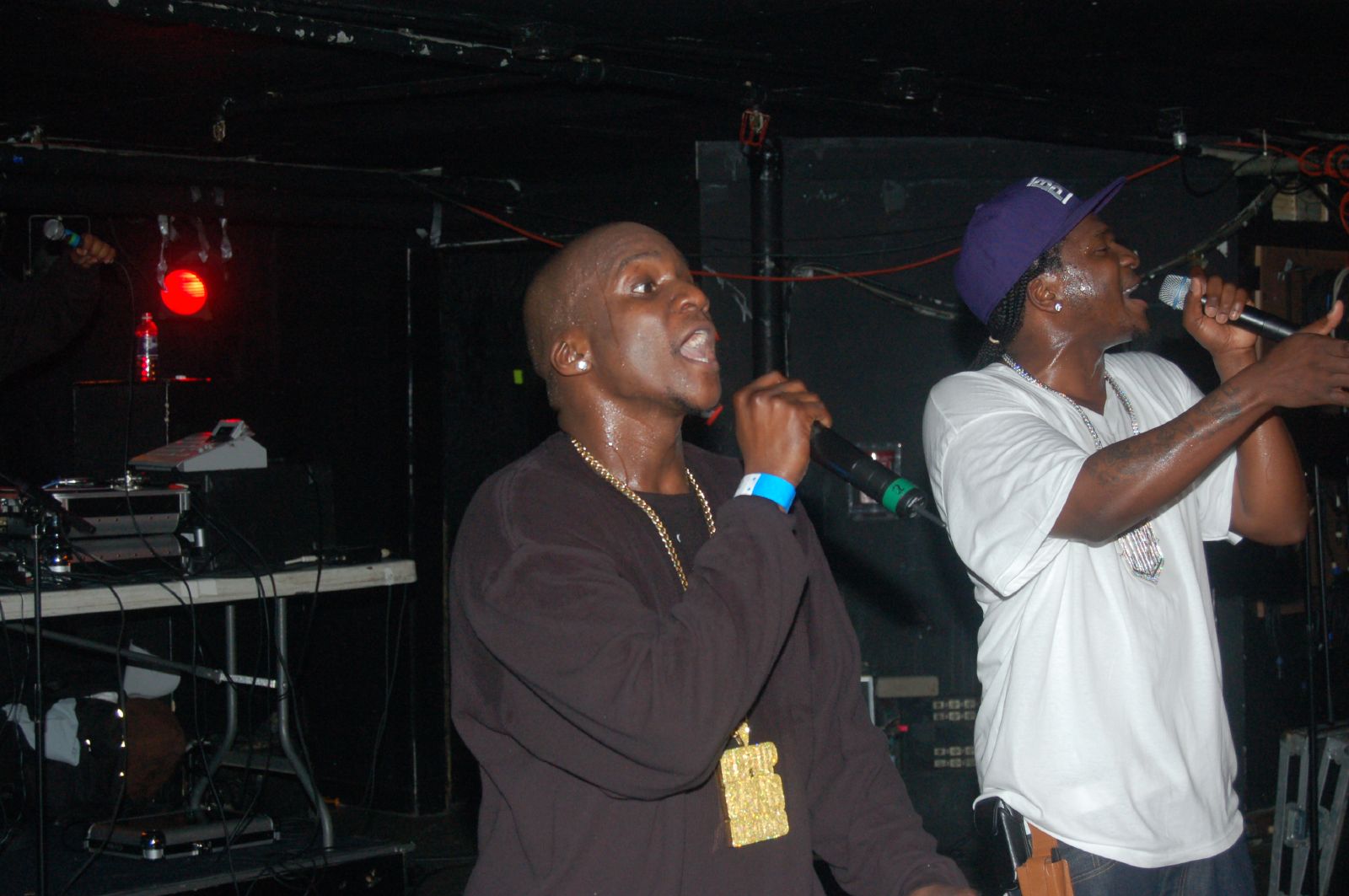
Clipse's first album in 16 years centers on a Kendrick Lamar verse the duo's own label allegedly tried to kill — and the song survives the fight around it as the sharpest thing either rapper has put on record in years.
Pusha T and Malice hadn’t made a Clipse album together since 2009’s Til the Casket Drops, and “Chains & Whips” is the sound of a duo confirming, in the first real single of the reunion, that neither of them softened in the gap. Pharrell Williams produces the entire Let God Sort Em Out LP, and here he builds something spare and metallic underneath two rappers who’ve never needed much decoration — Pusha’s verses are as coldly specific as they’ve ever been, and Kendrick Lamar’s guest verse, reportedly the reason Clipse paid a seven-figure sum to exit their Def Jam deal after the label wanted a Trump reference cut or censored, arrives with the kind of controlled menace that makes the backstory feel earned rather than manufactured.
That controversy matters to the review, not just the press cycle around it: a label asking an artist to edit a guest verse for political content, and the artist choosing to self-release through Roc Nation instead of complying, is a real statement about what “Chains & Whips” is trying to be — uncompromising, in a genre that spent the 2010s getting very comfortable. Pusha’s own bars take direct aim at Drake, Kanye West, Jim Jones, and Travis Scott, continuing a beef-first tradition Clipse never really abandoned.
Critics split on the album more than the marketing suggests. The Guardian called Let God Sort Em Out “one of the albums of the year”; Pitchfork was cooler, describing Pharrell’s beats here as “stuffy” and “corporate” against the rappers’ still-sharp writing. “Chains & Whips” is the best evidence for the Guardian’s side of that argument — the production stays out of the way of two rappers with something to prove, and Kendrick’s verse doesn’t feel like a guest spot so much as a second lead. The song debuted at No. 42 on the Hot 100, modest for a track with this much cultural weight behind it, but chart position was never really the point of a reunion sixteen years in the making.
8.6/10 — two rappers, one beat-maker, and a real fight behind the record, all of it audible in a song that earns the noise around it.
Hero image: Clipse performing at The Middle East nightclub, Cambridge, Massachusetts, February 2007, by Ben Sisto, licensed under CC BY-SA 2.0.