Come Thou Fount of Every Blessing (Sufjan Stevens)
Sufjan Stevens recorded his banjo-led version in 2002 for a Christmas EP and released it in 2006 in the Songs for Christmas box set -- a hymn about waiting, recast as an Advent song, that builds to an unaccompanied finish.
 By Song Reviews · October 4, 2026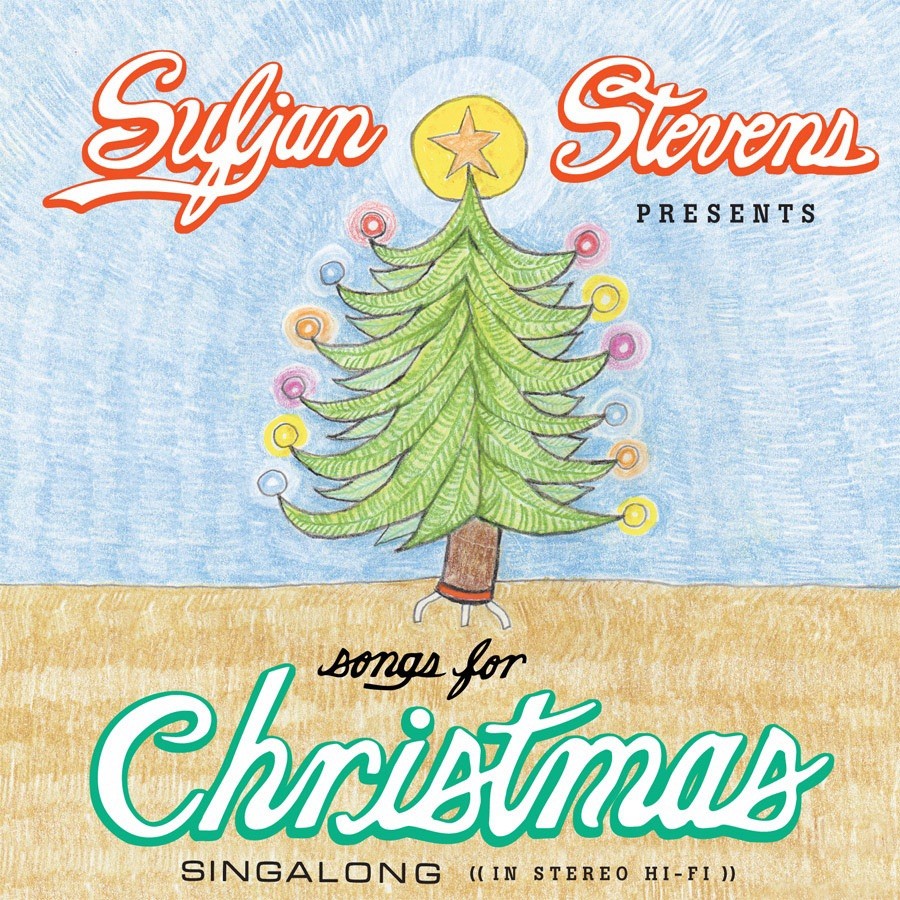
Sufjan Stevens recorded his banjo-led version in 2002 for a Christmas EP and released it in 2006 in the Songs for Christmas box set -- a hymn about waiting, recast as an Advent song, that builds to an unaccompanied finish.
Sufjan Stevens’ “Come Thou Fount of Every Blessing” is a Christmas-season recording of a hymn that has nothing to do with Christmas, and that mismatch is the point. He recorded it in November 2002 (with some additional recording in 2006) for Hark!: Songs for Christmas, Vol. 2, one of the Christmas EPs he made for friends and family, and it reached the public with the rest of the series in the five-EP Songs for Christmas box set on November 21, 2006. The A Very Sufjan Christmas blog hears it as an Advent song rather than a Christmas song, and the reading fits the text: Robinson’s last verse, “Come, my Lord, no longer tarry,” is about waiting for a return.
The arrangement is a slow build. The Jesuits’ Advent devotional describes “rich keys and a full-hearted banjo, gentle harmonies that build until the song ends in joyful acapella,” and the A Very Sufjan Christmas blogger remembers that opening banjo as the thing that made the track instantly recognizable. Spectrum Culture, reviewing the box set in 2018, wrote that “even though you’ve never probably even heard of ‘Come Thou Fount of Every Blessing,’ his aching version should be on any winter playlist you ever make.” The structure suits the hymn’s shape: a song about wandering and being pulled back should start small and end with people singing together, and unaccompanied voices are the most direct way to make the last verse sound communal rather than produced.
Where it separates from the choir arrangement is intimacy. This is one voice at the start, with other people arriving as the song goes – a confession that gets joined rather than one delivered by a crowd from the first note – and that shape is closer to what Robinson’s text is doing than a set piece. Sufjan brings no new theology, only a smaller room.
8.7/10 – a plain, unshowy recasting of the hymn as a song of waiting, and the version that best matches the text’s shape.
Hero image: “Songs for Christmas” box set artwork, Sufjan Stevens. Used under fair use for editorial commentary.