(Sittin' On) The Dock of the Bay
Otis Redding recorded his most famous song three days before his death in a plane crash, and it became the only posthumous single ever to reach No. 1 on the Hot 100 -- a record he never lived to see.
 By Song Reviews · October 22, 2026
 Greatest of All Time!
Otis Redding recorded his most famous song three days before his death in a plane crash, and it became the only posthumous single ever to reach No. 1 on the Hot 100 -- a record he never lived to see.
Otis Redding co-wrote “(Sittin’ On) The Dock of the Bay” with Stax guitarist Steve Cropper after a stay on a houseboat in Sausalito, California, following his star-making performance at the Monterey Pop Festival that June. The song itself was a departure for him – a loping, melancholy mid-tempo built around whistling and acoustic guitar rather than the horn-driven, gospel-shout soul that had made his name – and some at Stax reportedly worried it was too soft, too pop, a risk for an artist whose audience knew him as a powerhouse. Redding recorded his final vocal take on December 7, 1967. Three days later, his plane crashed into Lake Monona, Wisconsin, killing him and four members of his backing band, the Bar-Kays.
The song was still unfinished – the whistled outro exists because Redding hadn’t written a final verse yet, and Cropper assembled the released mix from the available studio takes after Redding’s death. Released the following January, it became his only No. 1 single on the Hot 100, and remains the only posthumous single in the chart’s history to reach the top spot. Redding never heard it top the chart, never watched it become the song that introduced him to an audience far wider than the one he had at Monterey, and never got to decide whether the pop-leaning departure that worried his label was the right call.
What makes the record hold up past its own origin story is how little it oversells its sadness. The whistling that closes the song – unplanned, a placeholder that stayed – does more emotional work than a written verse likely could have, because it sounds like someone genuinely out of words rather than someone performing loss for an audience. It’s a song about killing time and watching the tide change, delivered by a singer who, unknown to anyone listening at the time, had almost none left.
Greatest of All Time. The only posthumous single to ever reach No. 1 on the Hot 100, finished by a producer because its singer never got the chance to.
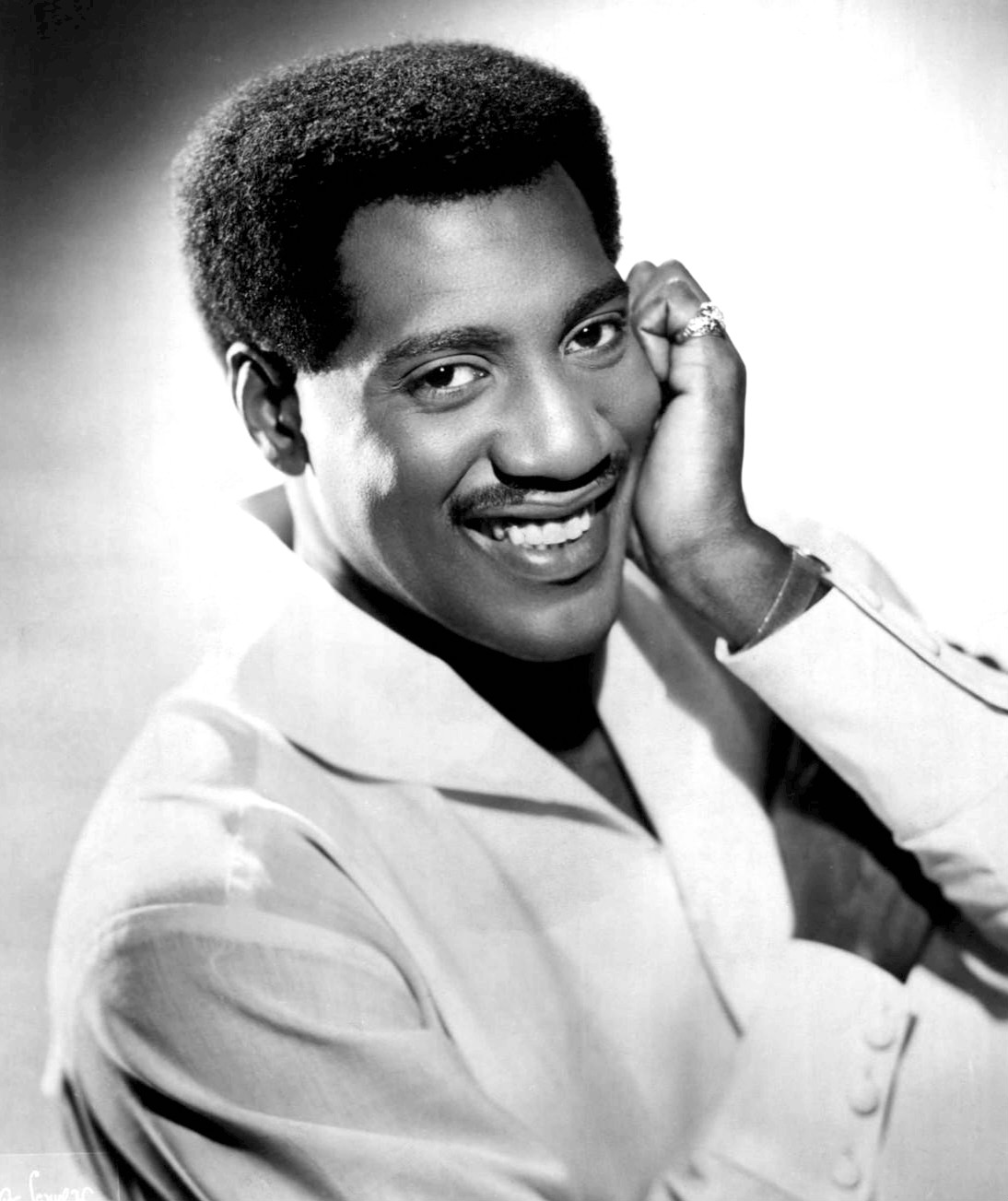
Hero image: Otis Redding, 1967, courtesy of Stax Records. Public domain in the United States.