Great Is Thy Faithfulness (George Beverly Shea)
George Beverly Shea introduced Thomas Chisholm's 1923 hymn to Billy Graham crusade audiences in the 1950s, turning a relatively obscure text into a standard through sheer repetition in front of the largest live audiences gospel music has ever had.
 By Song Reviews · September 20, 2026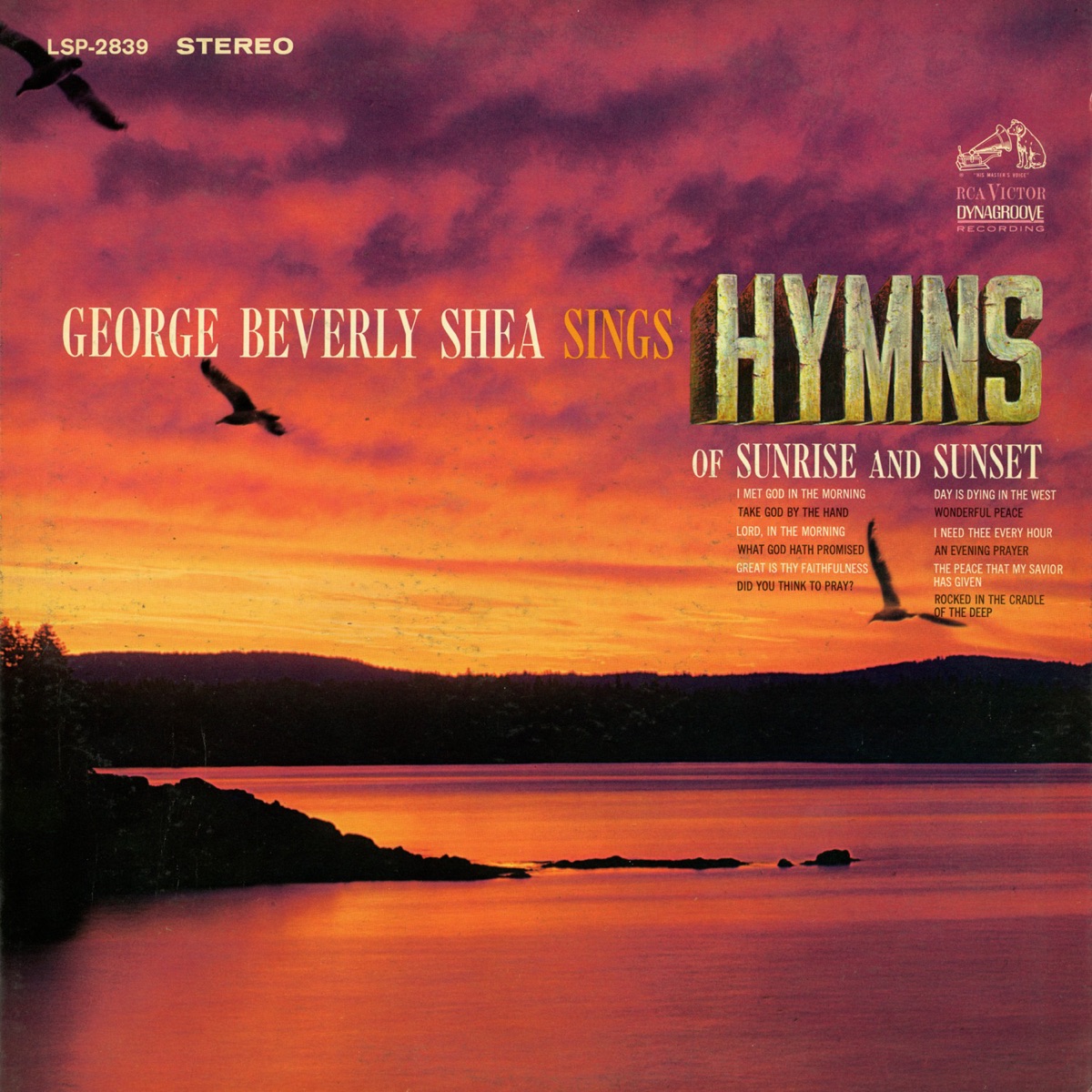
George Beverly Shea introduced Thomas Chisholm's 1923 hymn to Billy Graham crusade audiences in the 1950s, turning a relatively obscure text into a standard through sheer repetition in front of the largest live audiences gospel music has ever had.
Thomas Chisholm wrote the text of “Great Is Thy Faithfulness” in 1923 as a poem grounded in Lamentations 3:22-23, and William Runyan set it to music the same year – a hymn that, by most accounts, sat as a respectable but minor entry in American hymnals for three decades. What changed that was almost entirely one man’s voice: George Beverly Shea, the Canadian-born bass-baritone who anchored the music at Billy Graham’s crusades, sang it repeatedly through the 1950s, including at the 1954 London crusade that introduced it to British audiences for the first time. Shea performed in front of an estimated 200 million people over his career, and this was the song he leaned on hardest.
That’s an unusual path to becoming a standard – not a hit record driving congregational adoption, but a single performer’s decades of repetition inside a specific evangelistic context, slowly turning a text into something closer to scripture-adjacent in the minds of anyone who attended a crusade or watched one broadcast. Shea’s delivery is plain and unhurried by design: a warm, low register that never oversells the hymn’s own imagery, trusting the lyric’s steady accounting of divine constancy – “morning by morning new mercies I see” – to do its own work rather than performing urgency the text doesn’t ask for.
Judged as a vocal performance independent of its historical weight, it holds up: controlled breath support across long melodic lines, no vibrato flourish competing with the words, a reading built for a stadium PA system rather than a concert hall. It’s not the most technically demanding of the three versions in this week’s lineup, but it’s the one that explains why the other two exist at all.
8.2/10 – the version that did the actual work of making a 1923 hymnal entry into a standard, one crusade at a time.
Hero image: “Sings Hymns of Sunrise and Sunset” album artwork, George Beverly Shea. Used under fair use for editorial commentary.