Hound Dog
Elvis Presley's 1956 recording turned a Big Mama Thornton blues record into the loudest, fastest thing on the pop charts -- and buried its originator's version so completely that most listeners have never heard the song it's actually based on.
 By Song Reviews · November 19, 2026
 Greatest of All Time!
Elvis Presley's 1956 recording turned a Big Mama Thornton blues record into the loudest, fastest thing on the pop charts -- and buried its originator's version so completely that most listeners have never heard the song it's actually based on.
“Hound Dog” belonged to Big Mama Thornton first, and by every measure that should count, decisively: Jerry Leiber and Mike Stoller wrote it for her specifically in 1952, she recorded it with Johnny Otis’s band that same year, and her version spent seven weeks at No. 1 on the R&B charts. It’s a slow, menacing blues record, Thornton’s voice doing the growling the lyric’s contempt actually calls for. Elvis Presley didn’t discover the song in any meaningful sense four years later – he sped it up, stripped out the blues shuffle, and turned a woman’s takedown of a freeloading man into something closer to a rockabilly stomp, recorded in a single blistering take with Scotty Moore, Bill Black, and D.J. Fontana on July 2, 1956.
The transformation is total enough that the two records barely sound like the same song. Thornton’s original simmers; Presley’s version, released as a double-A-side with “Don’t Be Cruel” and performed with hip-shaking intensity on the Milton Berle Show that got him banned from some television markets, detonates. Scotty Moore’s guitar solo runs faster than the arrangement has any business supporting, and Presley sings the lyric’s contempt as pure, grinning aggression rather than Thornton’s weary disgust – a different emotional read on identical words. Leiber and Stoller, hearing it for the first time, reportedly hated the arrangement. It sold over four million copies and became one of the best-selling singles of the 1950s anyway, a commercial verdict the writers’ taste didn’t survive.
What’s actually instructive here isn’t which version is better – they’re not really competing for the same effect – but how completely commercial success can rewrite authorship in the popular imagination. Ask most listeners today who sang “Hound Dog” and almost none will say Big Mama Thornton, despite her version existing first, charting first, and arguably sounding more dangerous. Presley’s record won by being louder, faster, and attached to a television moment that turned a regional blues hit into a national phenomenon – not by being a more faithful reading of the song.
Greatest of All Time. A blues record that already worked got taken apart and rebuilt into a rock and roll one, and the second version is the only one most of the country ever learned existed.
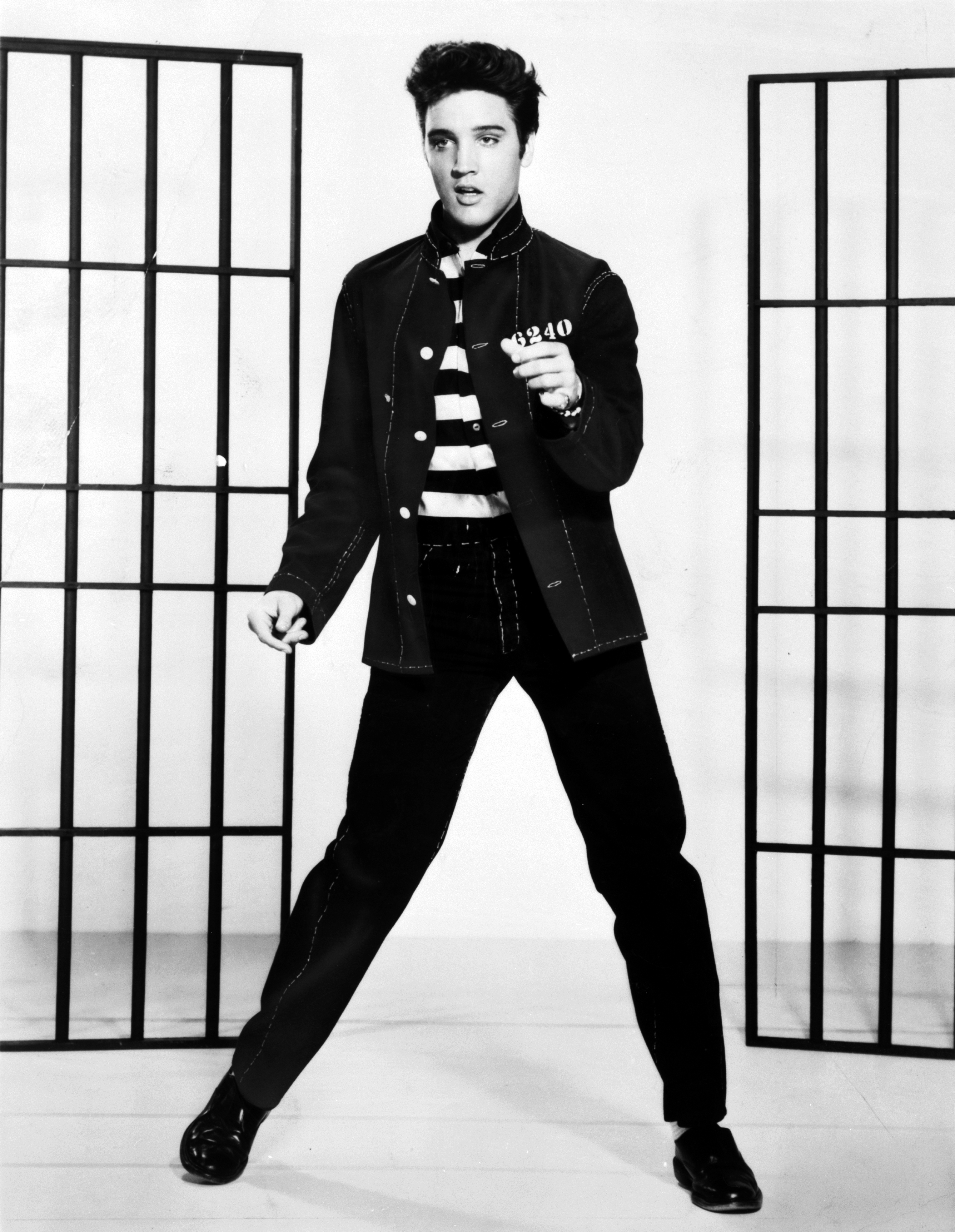
Hero image: Elvis Presley, 1950s publicity photo. Public domain.