I Will Always Love You
Elvis Presley's manager wanted the publishing rights to Dolly Parton's farewell song in exchange for a recording. She said no on the spot -- and eighteen years later, Whitney Houston's version became one of the best-selling singles in history.
 By Song Reviews · October 15, 2026
 Greatest of All Time!
Elvis Presley's manager wanted the publishing rights to Dolly Parton's farewell song in exchange for a recording. She said no on the spot -- and eighteen years later, Whitney Houston's version became one of the best-selling singles in history.
Dolly Parton wrote “I Will Always Love You” in 1973 as a farewell to her longtime business partner Porter Wagoner, and recorded it herself the following year, where it became a country No. 1 twice over the next several years. According to Parton’s own, frequently repeated account, Elvis Presley’s camp later expressed interest in recording it – on the condition that Parton give up half the song’s publishing rights, the standard arrangement for a Presley cut at the time. She turned it down overnight, reportedly crying over the decision but unwilling to give up a stake in a song she’d written for someone she cared about.
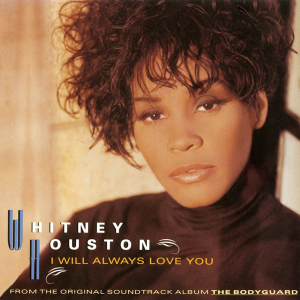
That refusal is the reason the song was still fully hers to license eighteen years later, when producer David Foster and director Kevin Costner wanted it for 1992’s The Bodyguard. Whitney Houston’s recording – inspired in part by a version Linda Ronstadt had cut in between – rebuilds Parton’s plain, acoustic original into something enormous: an unaccompanied a cappella opening that holds the melody suspended before the band enters, then a key change into a final chorus that asks for, and gets, the full force of Houston’s voice. It became a global No. 1 in 34 countries and one of the best-selling singles of all time, a vocal performance still used as the default reference point for what the human voice can do with a simple melody.
Parton’s reward for refusing Elvis’s deal came in the form of royalties reportedly worth tens of millions of dollars once Houston’s version took off – a decision made for sentimental reasons that turned out, decades later, to also be the best business call of her career.
Greatest of All Time. A country farewell note, refused to The King, rebuilt into one of the biggest vocal performances pop music has ever produced.
Hero image: “I Will Always Love You” U.S. CD single cover art, Arista Records. Used under fair use for editorial commentary.