In the Air Tonight
The most imitated drum sound of the 1980s began with a talkback microphone that engineer Hugh Padgham had routed through a heavy compressor -- and Phil Collins says he isn't quite sure what the song is about.
 By Song Reviews · September 24, 2026
 Greatest of All Time!
The most imitated drum sound of the 1980s began with a talkback microphone that engineer Hugh Padgham had routed through a heavy compressor -- and Phil Collins says he isn't quite sure what the song is about.
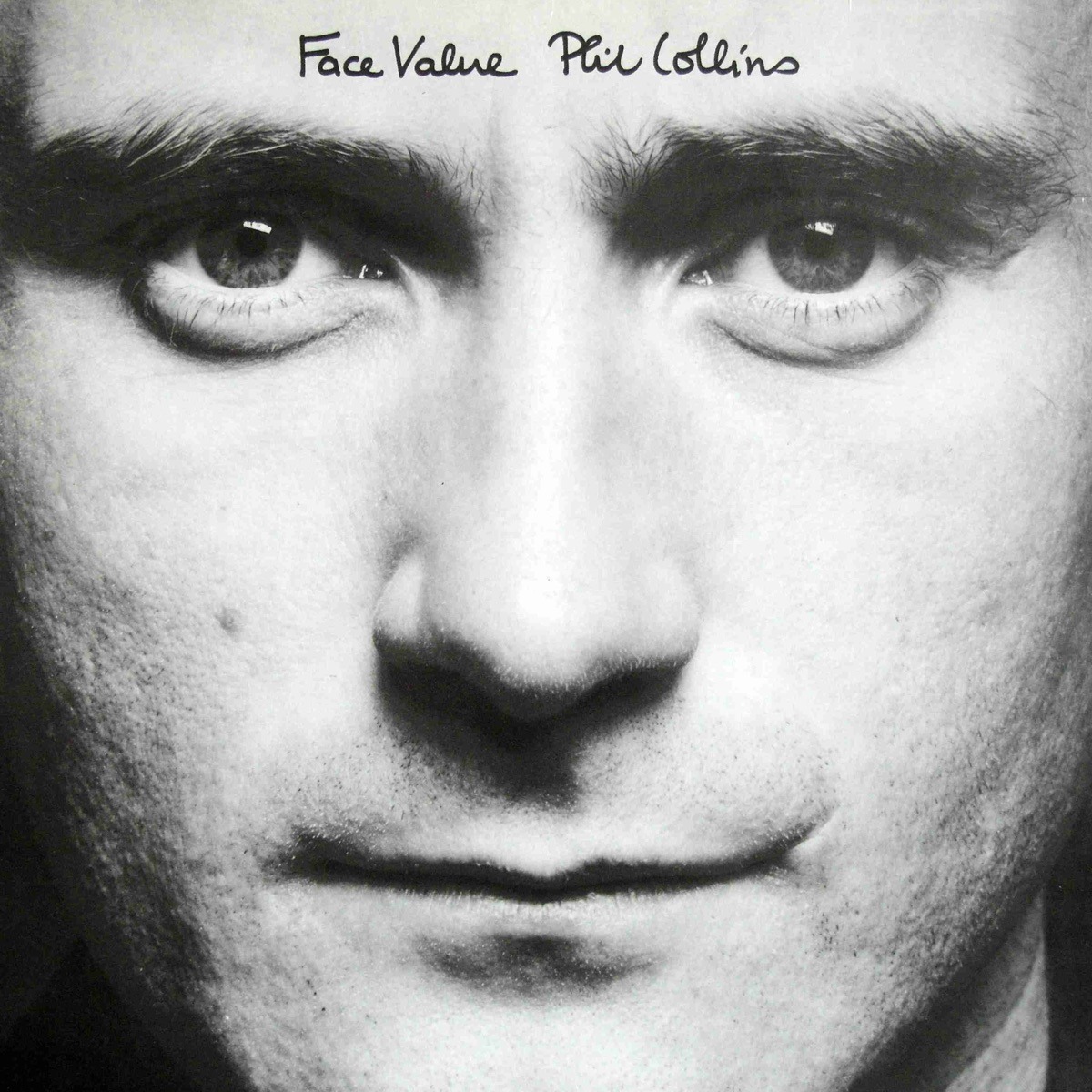
Phil Collins released “In the Air Tonight” in January 1981 as the lead single from Face Value, his first solo album, and by co-producer Hugh Padgham’s account the drum sound that defines it was found rather than designed. Working on Peter Gabriel’s third album at Townhouse Studios in London, Padgham noticed that the reverse talkback microphone – the mic that lets the control room speak to the players – was running through a heavily compressed and gated channel. When Collins played drums in front of it, the result was, in Padgham’s telling, unlike anything he had heard, and the studio’s desk was modified so that signal could actually be recorded. That happened during the “Intruder” session, where Gabriel had asked Collins to play without cymbals, and the sound that came out of it became a template for early-1980s drums.
The words arrived just as loosely. Collins wrote the song during his 1980 divorce and has described the lyric as spontaneous: “I’m not quite sure what the song is about, but there’s a lot of anger, a lot of despair and a lot of frustration.” Mix magazine’s Classic Tracks profile describes a demo built from a Roland CR-78 drum machine, a Prophet-5 synthesizer and piano, with the vocal melody sung straight into the arrangement rather than written down first. The finished record credits Collins on drums, vocals, keyboards and vocoder, with John Giblin on bass, Daryl Stuermer on guitar and L. Shankar on violins.
That is the checkable thing behind the song’s reputation for menace: the slow drum-machine-and-synth opening does most of its work by withholding, and the big drum sound is a piece of studio luck that someone recognized in the moment. It reached No. 2 in the UK and No. 19 on the Billboard Hot 100, a peak that undersells how thoroughly the record has outlived its chart run.
Greatest of All Time. A drum sound that began as a talkback microphone nobody had planned to record.
Hero image: “Face Value” album cover art, Virgin Records / Atlantic Records. Used under fair use for editorial commentary.