It Is Well with My Soul
Mahalia Jackson's 1968 recording treats Horatio Spafford's grief-forged hymn with the same restraint Spafford's own words ask for -- and lets the power stay in reserve until the very end.
 By Song Reviews · September 6, 2026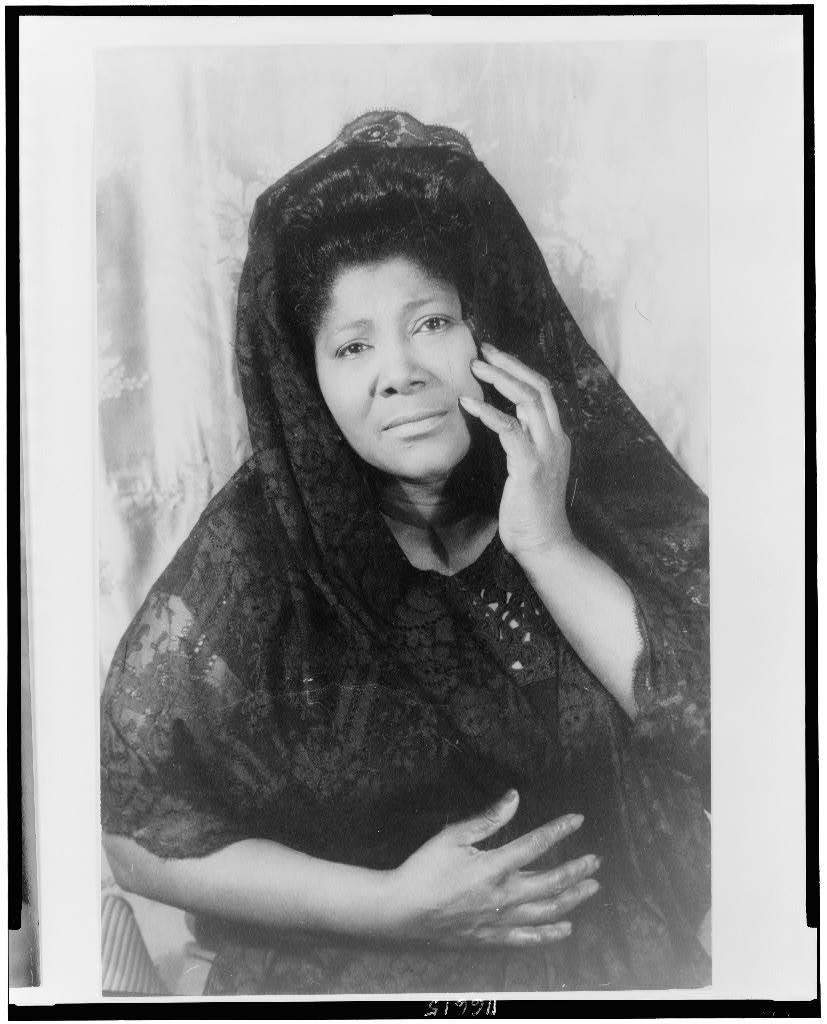
Mahalia Jackson's 1968 recording treats Horatio Spafford's grief-forged hymn with the same restraint Spafford's own words ask for -- and lets the power stay in reserve until the very end.
Horatio Spafford wrote the text of “It Is Well with My Soul” in 1873, reportedly while crossing the Atlantic near the spot where a ship carrying his four daughters had sunk weeks earlier, killing all four; his wife survived and cabled him two words – “Saved alone.” Philip Bliss set the words to music in 1876, and the hymn has carried that specific weight into every recording of it since: a statement of settled peace that only means anything because of what it’s being said in spite of.
Mahalia Jackson’s version, from 1968’s A Mighty Fortress, is one of the more disciplined readings the song has ever gotten. Jackson had the vocal power to turn any hymn into a showcase – she’d done exactly that on dozens of other recordings – and she doesn’t do it here. The performance stays close to the melody for most of its length, restrained even during the second verse’s darker imagery (“though Satan should buffet, though trials should come”), before finally opening up on the final refrain in a way that reads as earned rather than demonstrative. It’s a vocalist choosing not to show off a hymn about grief, which is its own kind of interpretive judgment.
9.0/10 – the rare gospel legend’s recording that gets more restrained, not less, the closer it gets to the words that matter most.
Hero image: Photo: Carl Van Vechten, 1962 / Library of Congress, Van Vechten Collection (public domain).