Precious Lord, Take My Hand (Al Green)
Al Green opened his 1982 album Precious Lord with the hymn and won the 1983 Grammy for Best Soul Gospel Performance, Traditional -- while critics split on whether the album's bright, pop-leaning arrangements suit songs this old.
 By Song Reviews · September 27, 2026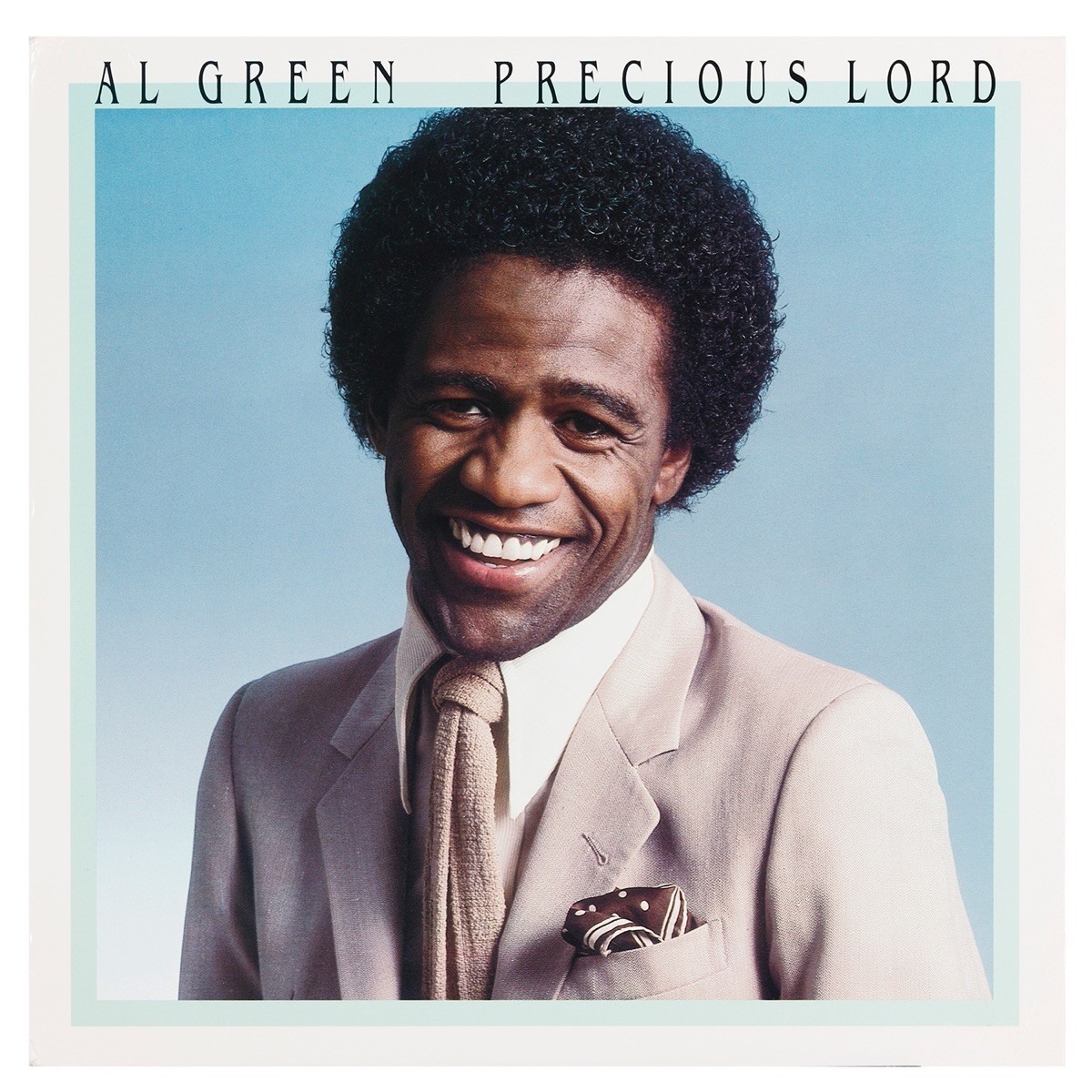
Al Green opened his 1982 album Precious Lord with the hymn and won the 1983 Grammy for Best Soul Gospel Performance, Traditional -- while critics split on whether the album's bright, pop-leaning arrangements suit songs this old.
By 1982, Al Green had spent several years concentrating on gospel. He founded the Full Gospel Tabernacle in Memphis in 1976, and after injuring himself in a 1979 fall from a stage in Cincinnati he took the accident as a message from God and turned to pastoring and gospel music. Precious Lord, released on the Christian label Myrrh, was recorded at Sound Emporium in Nashville, produced by Green himself, with horn and string arrangements by Jerry Peters, and opens with this Dorsey standard at just over three minutes. It reached No. 1 on Billboard’s Top Gospel Albums chart, and the title track won the Grammy for Best Soul Gospel Performance, Traditional at the 1983 ceremony.
The critical reception of the album was split, and the split is worth taking seriously. Robert Christgau, giving it a B, heard “rote tent-gospel timekeeping” where the first two Myrrh albums had had a Memphis groove; The New York Times’ Robert Palmer heard Green working “audacious transformations on some of the most beloved gospel standards, turning them into bright, upbeat pop.” Both can be true of the album, and the question for this track is whether a bright arrangement contradicts a lyric that begins with “I am tired, I am weak, I am worn.”
It doesn’t have to. The hymn is a plea, but a plea addressed to someone assumed to be listening, and Green’s whole earlier career was built on making longing sound like assurance. Palmer’s description, applied to this track, points to an arrangement that runs brighter than the song’s origin would suggest, with horns and strings doing work that a piano and organ once did alone. That costs it some of the dark the plea comes out of. What it gains is a reading in which the hand is already being held out.
7.8/10 – a warmer, more optimistic reading than the song’s origin calls for, and a Grammy winner that still has a real argument for itself.
Hero image: “Precious Lord” album artwork, Myrrh Records. Used under fair use for editorial commentary.