Precious Lord, Take My Hand
Mahalia Jackson's 1956 recording of Thomas Dorsey's grief-born plea, made with just a piano and an organ, is the version that fixed the song in American memory -- Martin Luther King Jr.'s favorite, and a 2012 Grammy Hall of Fame inductee.
 By Song Reviews · September 27, 2026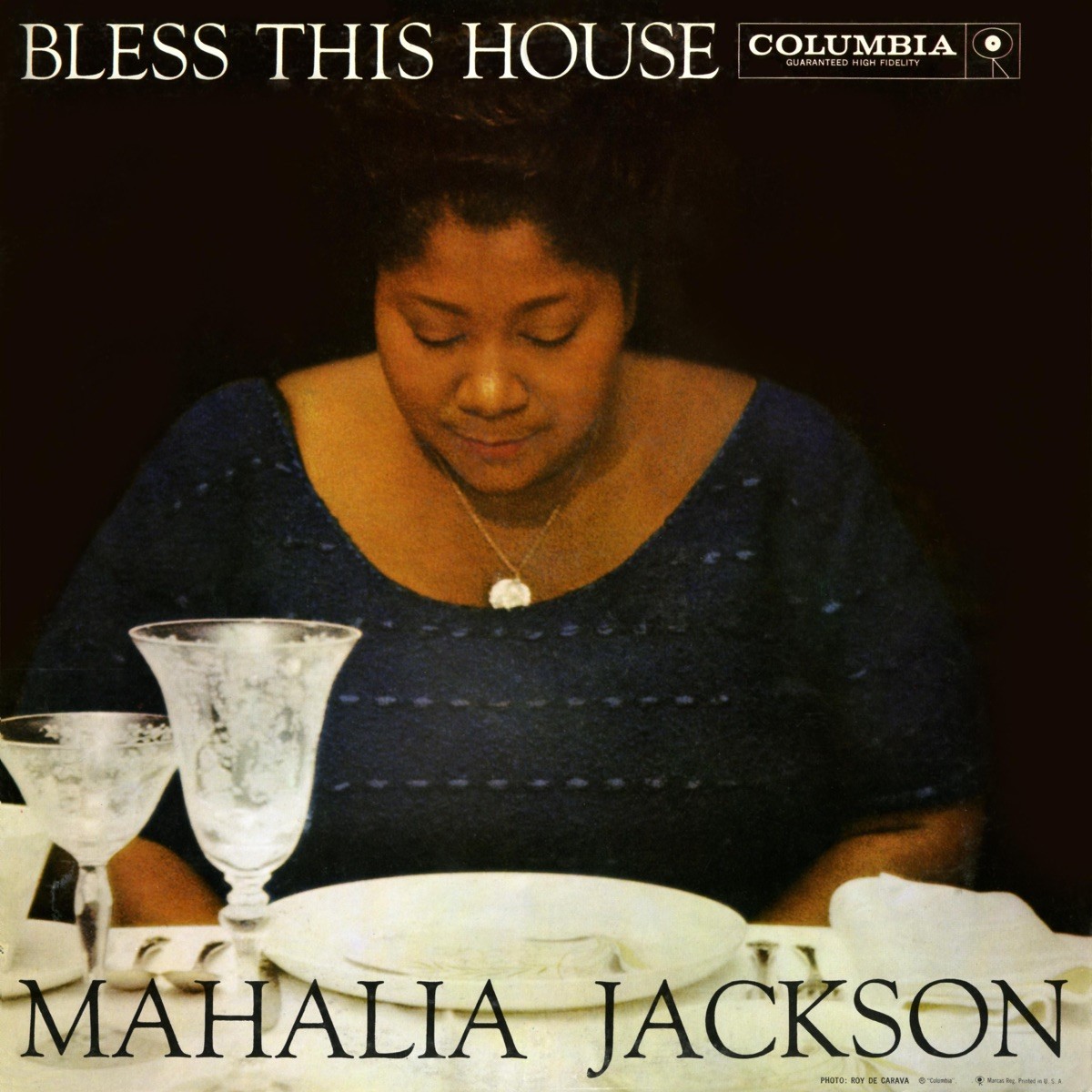
Mahalia Jackson's 1956 recording of Thomas Dorsey's grief-born plea, made with just a piano and an organ, is the version that fixed the song in American memory -- Martin Luther King Jr.'s favorite, and a 2012 Grammy Hall of Fame inductee.
Thomas A. Dorsey wrote “Precious Lord, Take My Hand” in August 1932, after his wife, Nettie, died in childbirth and their infant son died soon after. Nearly everything about that week comes from Dorsey’s own retelling, and the details drift – published accounts have the baby dying the same night, the next day, or two days later – but the outline holds: he was grieving and angry enough to consider walking away from church music. In the recollection quoted by the United Methodist “History of Hymns” entry, he “felt that God had done me an injustice.” What he wrote instead was a plea to be held up, set to George N. Allen’s 1844 tune “Maitland,” the melody of the older hymn “Must Jesus Bear the Cross Alone.”
Mahalia Jackson recorded it on March 27, 1956, for the Columbia album Bless This House (CL 899), with Mildred Falls on piano and Ralph Jones on organ. Two instruments leave nothing between the listener and the singer, which suits a lyric that asks for nothing except a hand to hold. And few singers have had Jackson’s history with the song: Dorsey had mentored her in Chicago and toured with her in the 1940s, King often asked her to sing it at civil rights rallies, and at his request she sang it at his funeral in April 1968.
The Recording Academy honored this recording with a Grammy Hall of Fame Award in 2012, and it is easy to hear why the song’s standard shape is hers. The arrangement commits to the lyric’s own scale – one person’s plea, two instruments in support – and refuses to turn a song about exhaustion into a display of stamina. Later recordings have added horns, choirs, and studio polish; this one shows how little the song asked for.
9.3/10 – the reference recording of a song that began as private grief and became public comfort, and the arrangement never pretends to be bigger than either.
Hero image: “Bless This House” album artwork, Columbia Records. Used under fair use for editorial commentary.