Return of the Grievous Angel
Gram Parsons' signature road song was co-written with a Boston poet who wrote the lyric with Parsons in mind as the singer, and it opened an album released four months after Parsons died.
 By Song Reviews · October 1, 2026
 Greatest of All Time!
Gram Parsons' signature road song was co-written with a Boston poet who wrote the lyric with Parsons in mind as the singer, and it opened an album released four months after Parsons died.
The lyric of “Return of the Grievous Angel” did not start with Gram Parsons. It was co-written with Tom Brown, described in the album’s Wikipedia entry as a Boston-based poet and Parsons fan; according to the song’s page, Brown wrote the words with Parsons in mind to sing them, and Parsons revised the poem and adapted it into a song. The result follows a protagonist on a train journey across America, taking stock of who he has become before deciding to go home – wandering and homesickness in one arc.
It was recorded in the summer of 1973 with Parsons on lead vocal and Emmylou Harris on harmony, backed by Bernie Leadon on guitar, Al Perkins on steel guitar, Byron Berline on fiddle and members of Elvis Presley’s TCB Band. That lineup matters to the record’s sound: it is the Nashville-and-Los Angeles version of country rock that Parsons had been arguing for since his time with the Byrds, played by musicians who could carry either half of the hyphen.
The timing is the part no one could have planned. Parsons died in September 1973, and Grievous Angel was released on Reprise in January 1974, about four months later, originally credited to “Gram Parsons with Emmylou Harris.” It peaked at No. 195 on the Billboard 200, while the song itself was reissued as a single in 1982 and has been covered by Lucinda Williams (1999), Counting Crows (2012) and The Raveonettes (2024). Read now, the title of the opener does the work of a last word, whether he meant it to or not.
Greatest of All Time. A country-rock standard that began as another writer’s poem and outlived the singer it was written for.
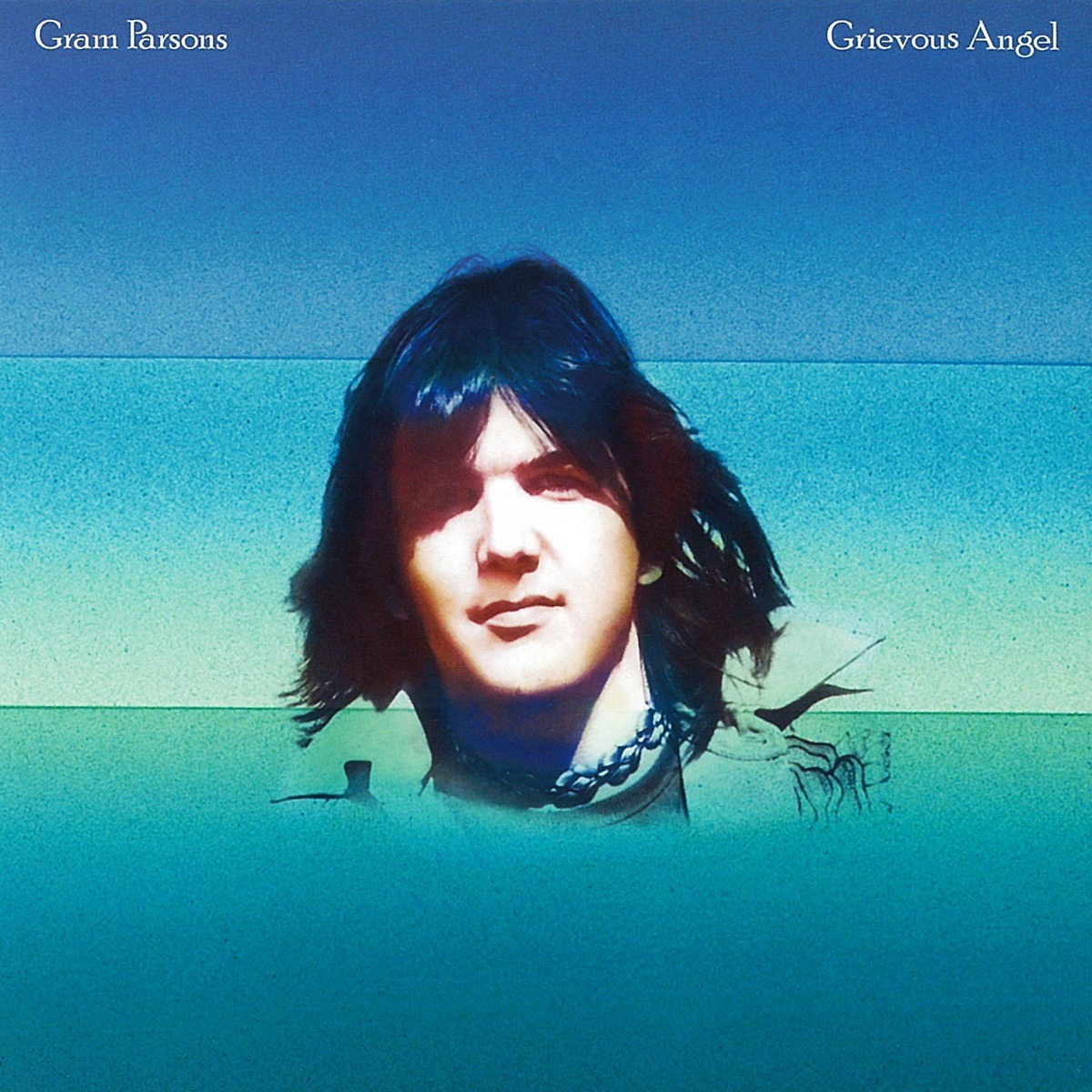
Hero image: “Grievous Angel” album cover art, Reprise Records. Used under fair use for editorial commentary.