Rock of Ages
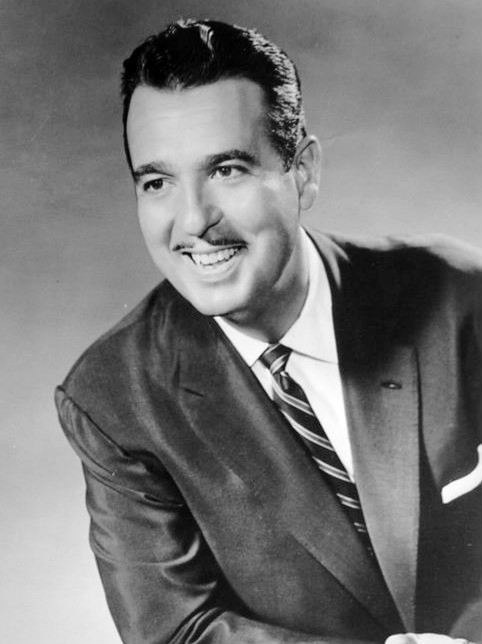
Tennessee Ernie Ford's 1956 recording, from the first religious album ever certified Gold, treats Augustus Toplady's 18th-century text as plainly as a man closing out his own weekly television broadcast -- which, at the time, he was.
 By Song Reviews · October 25, 2026
Tennessee Ernie Ford's 1956 recording, from the first religious album ever certified Gold, treats Augustus Toplady's 18th-century text as plainly as a man closing out his own weekly television broadcast -- which, at the time, he was.
Tennessee Ernie Ford recorded “Rock of Ages” for 1956’s Hymns, an album built around the same unglamorous ritual that closed every episode of his NBC series The Ford Show: a hymn, sung plainly, no showmanship attached. That context matters for how the recording actually sounds. Ford had a rich, unmistakable baritone and a hit-making pop sensibility (this is, after all, the man behind “Sixteen Tons”), but his reading of Augustus Toplady’s 1763 text resists every temptation to turn the hymn into a showcase for either. The arrangement stays spare – a quiet choir bed, minimal ornamentation – and Ford sings the “nothing in my hand I bring” lyric like someone reciting something he actually believes rather than performing a believer for an audience.
Hymns became, almost by accident, one of the biggest commercial stories in American religious music: the first gospel album ever certified Gold, the second-best-selling record in the U.S. in 1957, and a 277-consecutive-week run on Billboard’s Top Pop Albums chart – a run most pop albums, let alone hymn collections, never approach. None of that commercial success shows up in the recording itself as ambition; if anything, the plainness is the whole appeal. Ford wasn’t chasing the chart with this record. He was doing, on tape, the same unadorned thing he’d been doing at the end of every television broadcast, and a mainstream American audience responded to the sincerity of that repetition at a scale nobody at his label could have planned for.
That’s worth noting against the two covers reviewed alongside this one: Johnny Cash’s version, recorded nearly two decades later, carries more of his own weathered persona into the performance; Amy Grant and Vince Gill’s 2005 duet is built for a more produced, contemporary-Christian arrangement. Ford’s reading predates both by a wide enough margin that it functions almost as the baseline the other two are quietly measured against – not necessarily the best version, but the one that set the terms.
7.7/10 – plain, sincere, and the clear historical anchor of this week’s three readings.
Hero image: Tennessee Ernie Ford, publicity still for “The Ford Show,” NBC, 1957. Public domain in the United States.