So What
Throwback Thursday, 1959: the record that took the chords away and proved that limits and freedom are the same object seen from different sides.
 By Song Reviews · August 20, 2026
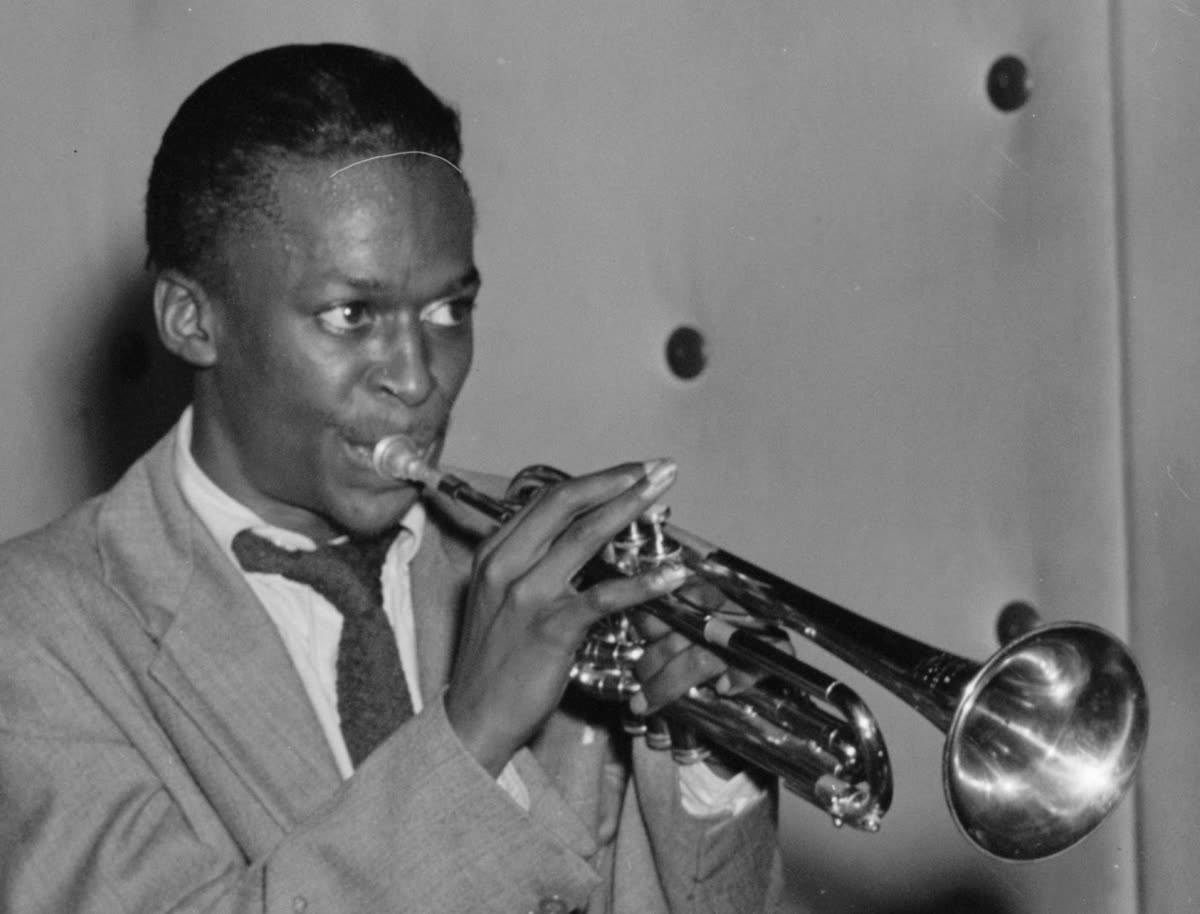 Greatest of All Time!
Throwback Thursday, 1959: the record that took the chords away and proved that limits and freedom are the same object seen from different sides.
Jazz in 1959 was a game of chords. Bebop had spent a decade adding them — substitutions stacked on substitutions until a soloist’s job was mostly navigation, hitting the right note in the right bar because the harmony left nowhere else to go. “So What” is the record that took the chords away.
The form is almost embarrassingly plain: thirty-two bars, sixteen of D Dorian, eight of E-flat Dorian a half step up, eight back down. Two scales. That is the entire harmonic argument, and what it buys is space — a soloist can stay in one place and think about phrasing instead of survival. The four players who take it use that space completely differently. Miles Davis plays economically, leaving holes. John Coltrane fills them, running the mode like he’s testing it for weak spots. Cannonball Adderley plays it bluesy and unhurried. Bill Evans, who shaped much of the album’s harmonic thinking, comps like he’s setting objects down on a shelf.
Recorded March 2, 1959 and released that August on Kind of Blue, it opens with the most disarming introduction in the catalog — Evans and Paul Chambers alone, out of tempo, sounding like the tape rolled early — before Chambers states the bass melody and the horns answer with the two-note shrug the title describes. Sixty-seven years later it is still the first thing handed to a student learning to improvise, because it is the clearest available demonstration that a constraint and a freedom can be the same object seen from different sides.
Greatest of All Time. Not the most complicated record Miles Davis ever made — the one where he proved complication was optional.