Superstition
Stevie Wonder wrote this riff as a thank-you gift for Jeff Beck's session work -- then Motown's Berry Gordy heard a hit and took it back before Beck ever got to release his own version first.
 By Song Reviews · November 12, 2026
 Greatest of All Time!
Stevie Wonder wrote this riff as a thank-you gift for Jeff Beck's session work -- then Motown's Berry Gordy heard a hit and took it back before Beck ever got to release his own version first.
“Superstition” exists because of a favor that got reversed. Jeff Beck played drums on sessions for Stevie Wonder’s Talking Book in early 1972, and the deal was simple: in exchange, Wonder would write Beck a song of his own. What Wonder came up with, built around a clavinet riff he and Beck worked out together during studio downtime, was strong enough that Beck called it “the riff of the century” and assumed it was his.
Motown’s Berry Gordy heard it differently. Convinced the song was too big to give away, he insisted Wonder release “Superstition” himself as the lead single from Talking Book, out October 24, 1972. Beck still got to record his own version, with the power trio Beck, Bogert & Appice, but Wonder’s take had already claimed the song in the public’s ear by the time Beck’s arrived. As a form of compensation, Wonder gave Beck a different song entirely – “Cause We’ve Ended as Lovers,” written for his then-wife Syreeta Wright – which Beck later made a defining instrumental showcase of his own guitar playing.
What makes this worth remembering isn’t just the near-miss. It’s that Motown’s business instinct – take the better song back – happened to be correct, and “Superstition” became one of the most sampled, most imitated funk records ever made specifically because it went to the artist who could make a clavinet riff sound like a warning rather than a gift.
Greatest of All Time. A song built as a favor between two musicians became a Motown cornerstone the moment the label decided the favor was worth keeping.
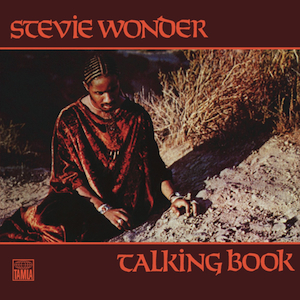
Hero image: “Talking Book” album cover art, Tamla/Motown, 1972. Used under fair use for editorial commentary.