Thank You for Being a Friend
Andrew Gold called his 1978 soft-rock single 'a throwaway thing' that took about an hour to write; it peaked at No. 25 before TV turned it into the most recognizable friendship song of the 1980s.
 By Song Reviews · November 26, 2026
 Greatest of All Time!
Andrew Gold called his 1978 soft-rock single 'a throwaway thing' that took about an hour to write; it peaked at No. 25 before TV turned it into the most recognizable friendship song of the 1980s.
Andrew Gold released “Thank You for Being a Friend” in February 1978 on the Asylum label, from his third album, All This and Heaven Too. He wrote it himself and produced it with Brock Walsh, and he later described it as a “little throwaway thing” that took about an hour to write. The record peaked at No. 25 on the Hot 100, a respectable but unremarkable showing; it did better on Cash Box’s chart, at No. 11, and in Canada, at No. 7.
What’s striking on a fresh listen is how little the arrangement tries to be a hit. A bright, loping piano and a warm, close vocal sit on top of a rhythm section that includes Jeff Porcaro on drums, Kenny Edwards on bass, and Waddy Wachtel on guitar, a session crew that could play anything and chose to play it lightly. The lyric is a direct address with no metaphor to unpack, and its charm is exactly that: the song says thank you the way a person would to a friend across a kitchen table, and then stops.
The song’s real afterlife began in 1985, when a re-recorded version – by Cindy Fee, not Gold – became the opening theme of The Golden Girls. That version introduced the song to millions of viewers who never heard the 1978 record, and it’s the one many people would sing back to you today. It’s a rare case of a modest chart hit whose best-known recording isn’t even the original, which makes Gold’s own version a small act of musical archaeology worth hearing.
Greatest of All Time. A song its writer dismissed as a throwaway, and a perfectly sincere thank-you note.
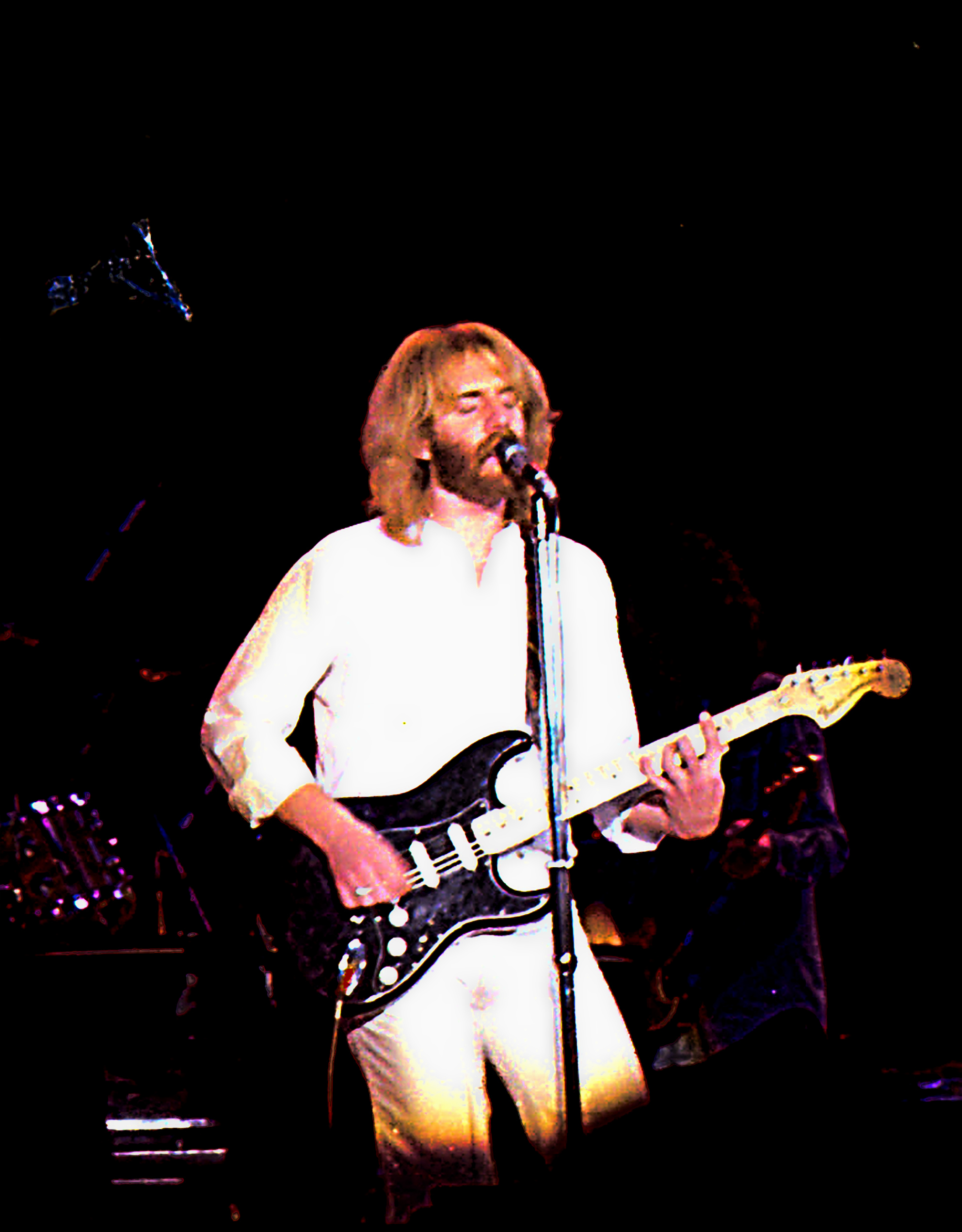
Hero image: Andrew Gold live in Amsterdam, by Arthur Winailan (via wikiportret.nl), licensed under CC BY-SA 4.0, via Wikimedia Commons.