A Fifth of Beethoven
Walter Murphy turned the opening movement of Beethoven's Fifth Symphony into a No. 1 disco single -- and the joke only works because the arrangement takes the source material seriously.
 By Song Reviews · September 17, 2026
 Greatest of All Time!
Walter Murphy turned the opening movement of Beethoven's Fifth Symphony into a No. 1 disco single -- and the joke only works because the arrangement takes the source material seriously.
The premise of “A Fifth of Beethoven” is a novelty in the most literal sense – take the four-note motif that opens Beethoven’s most famous symphony, the one nearly every listener can hum unprompted, and run it through a disco rhythm section. Walter Murphy, a classically trained composer working session and arranging jobs before this record, wrote and produced it credited to “Walter Murphy & The Big Apple Band” specifically so listeners wouldn’t assume a novelty act was behind it. The gag could have stopped at the pitch. It didn’t, because Murphy actually orchestrated the thing like a symphonist rather than a joke-song producer chasing one radio spin.
That distinction is the whole review. The strings and horn charts follow Beethoven’s own developmental logic – the motif recurs, inverts, and modulates the way it does in the original movement – rather than looping four notes over a beat and calling it done. Murphy respects the material enough to let its own structure drive the arrangement, which is why the record vaulted to No. 1 on the Hot 100 in 1976 and then got a second life a year later on the Saturday Night Fever soundtrack, sitting comfortably next to the Bee Gees rather than reading as the album’s comic relief.
Fifty years on, it’s aged into something closer to a genuinely clever arranging exercise than the kitsch object its premise suggests, precisely because Murphy never let the joke outrun the music theory underneath it.
Greatest of All Time. A novelty record that took its source material seriously enough to actually deserve the No. 1.
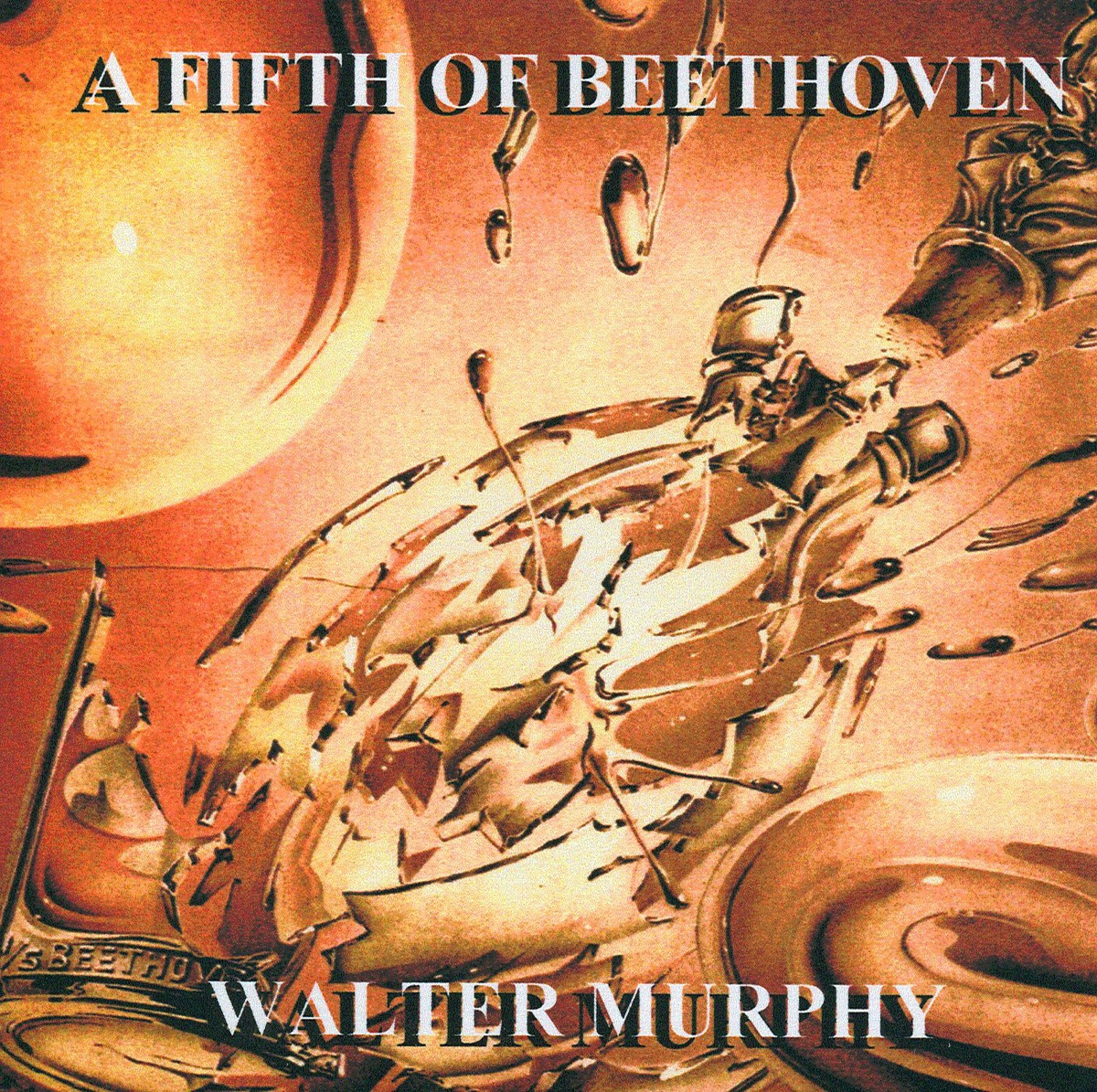
Hero image: “A Fifth of Beethoven” single artwork, Private Stock Records. Used under fair use for editorial commentary.