Blessed Assurance (Judy Collins)
Judy Collins moves Fanny Crosby's hymn out of the sanctuary and into the same clear-soprano folk register she used to turn other writers' songs into standards -- a quieter, more private read on a text usually sung as a group declaration.
 By Song Reviews · October 11, 2026
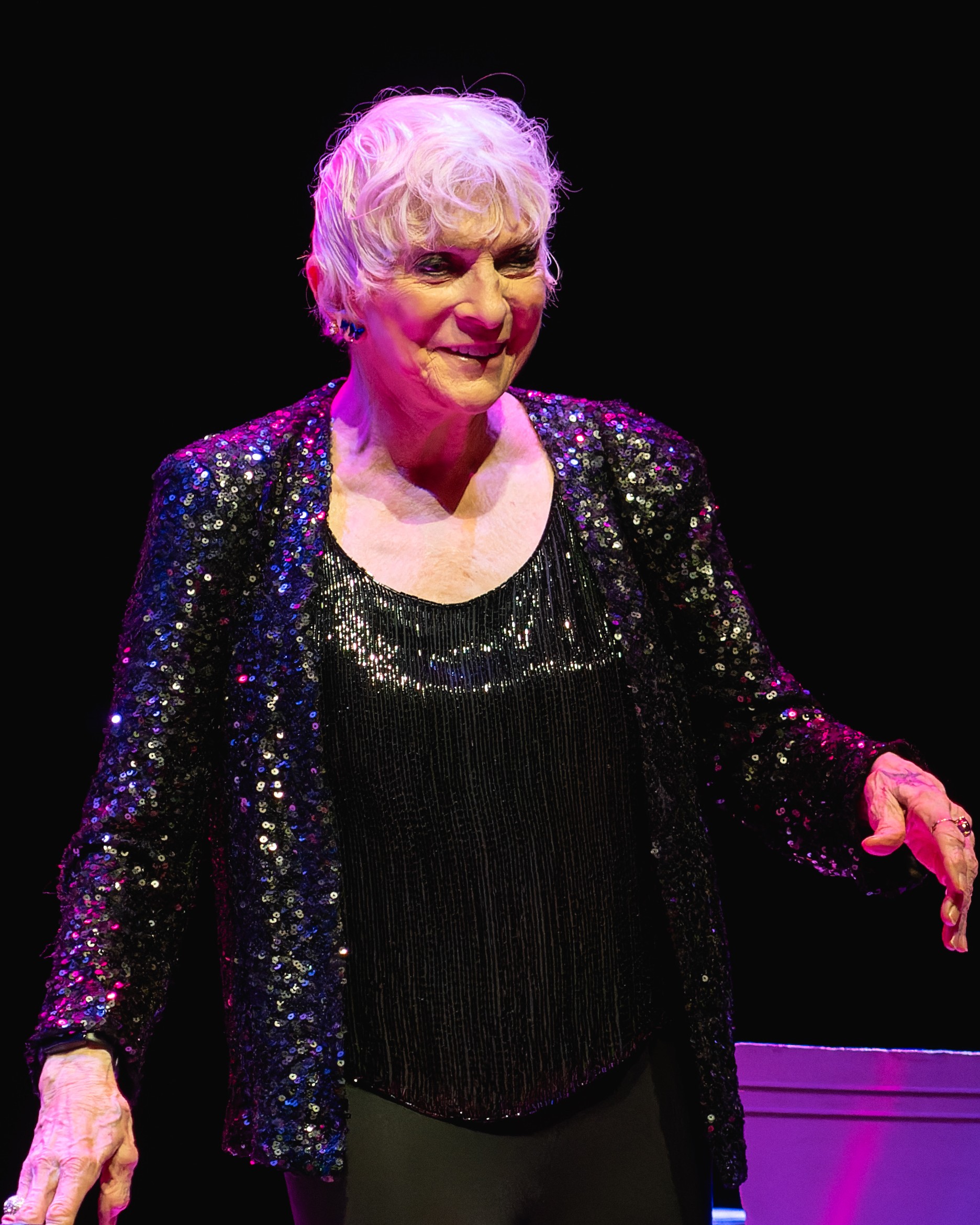
Judy Collins moves Fanny Crosby's hymn out of the sanctuary and into the same clear-soprano folk register she used to turn other writers' songs into standards -- a quieter, more private read on a text usually sung as a group declaration.
Judy Collins built a career on the same move she brings to “Blessed Assurance”: taking a song written by someone else – Joni Mitchell, Leonard Cohen, Stephen Sondheim, and, in this case, Fanny Crosby – and finding the interpretation that makes it sound like it was always meant to be sung her way. Her version strips the hymn’s usual choir-and-organ scale down to a single clear soprano over sparse acoustic guitar, closer in arrangement to her 1970 “Amazing Grace” than to any gospel reading of the same text.
That reduction changes what the hymn is doing. Crosby’s lyric is written as a personal testimony – “this is my story, this is my song” – but it’s almost always performed as a communal declaration, a whole congregation affirming one person’s certainty together. Collins’ version keeps it personal all the way through: one voice, plainly stated, without the massed-choir reinforcement that usually backs up the claim. It’s a legitimate reading of what the text actually says, even if it trades some of the hymn’s usual emotional scale for intimacy.
Where it falls short of Jackson’s version is in exactly the place Jackson’s excels: there’s less at stake in a quiet, unaccompanied certainty than in one that’s been visibly tested and proven in a full-voiced performance. Collins’ reading is lovely and legitimate; it’s just a smaller claim than the song is built to make. 7.6/10.
Hero image: Judy Collins performing at the Barbican, London, 2023, by Raph_PH, licensed under CC BY 2.0.