La Vida Es un Carnaval
The most joyful record in Celia Cruz's catalog began, according to its writer, when Victor Daniel saw a woman on television who had lost her whole family in the 1994 AMIA bombing in Buenos Aires.
 By Song Reviews · October 1, 2026
 Greatest of All Time!
The most joyful record in Celia Cruz's catalog began, according to its writer, when Victor Daniel saw a woman on television who had lost her whole family in the 1994 AMIA bombing in Buenos Aires.
“La Vida Es un Carnaval” was written by Victor Daniel, an Argentine composer, after the July 18, 1994 bombing of the AMIA Jewish community center in Buenos Aires, which killed 85 people and wounded more than 300. According to La Nacion, about a week later, in Venezuela, Daniel saw a television interview with a woman who had lost her entire family in the attack. Her words and her crying moved him, he said, and he sat down at the piano and began writing the song.
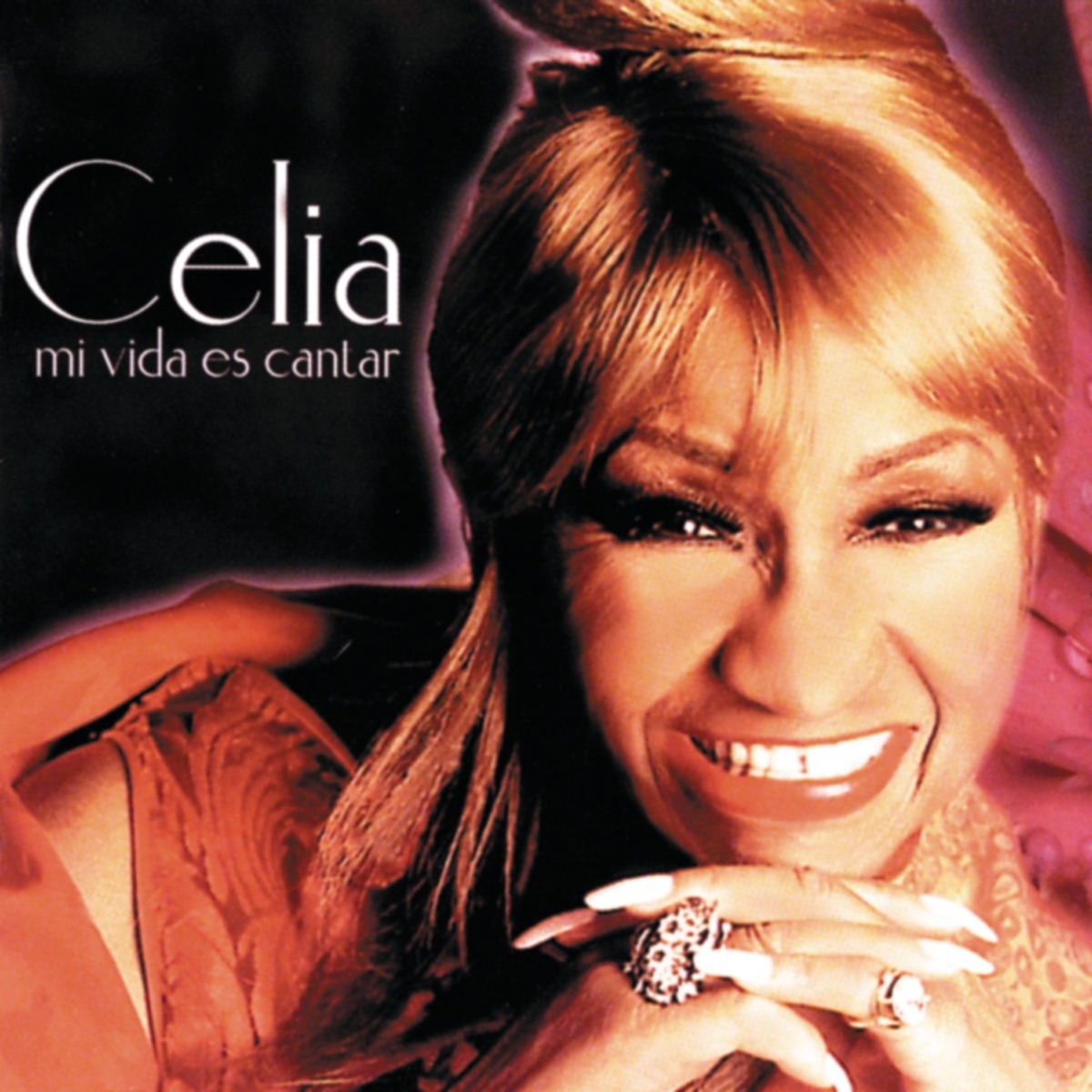
Celia Cruz recorded it in 1997 and 1998 for Mi Vida Es Cantar on RMM Records, produced and arranged by Isidro Infante, and it was the album’s lead single. The pairing is the point: a lyric about persisting through pain, written from grief, delivered by a singer whose whole public presence was refusal to be small about joy. Nothing in the arrangement acknowledges the tragedy in its origin, which may be why the song works as a communal anthem in rooms that have never heard the story.
It reached No. 40 on the US Hot Latin Songs chart and No. 2 in both Chile and Costa Rica, won Tropical Song of the Year at the 2003 Lo Nuestro Awards, and appeared in the films Amores perros (2000) and Antwone Fisher (2002). Rolling Stone ranks it No. 439 on its list of the 500 greatest songs of all time.
Greatest of All Time. A carnival anthem that began as one composer’s response to a bombing.
Hero image: “Mi Vida Es Cantar” album cover art, RMM Records. Used under fair use for editorial commentary.